
Strasbourg Christmas Markets 2026 — Complete Guide: The World's Oldest Market, Food, Tips and Itinerary
There is only one place in Europe that holds the official title of "Capital of Christmas" — and that place is Strasbourg. This isn't a marketing tagline. It's a designation earned through a simple, extraordinary fact: the Christmas market here has been running without interruption since 1570, making it the oldest in the world.
Four and a half centuries of Christmas in the same place. The same stones of Place Broglie, the same cathedral rising behind the stalls, the same warm spiced wine lifting its steam in the winter air.
Strasbourg doesn't perform Christmas. Strasbourg has always been Christmas.
Alsace: Where France and Germany Meet Under a Christmas Sky
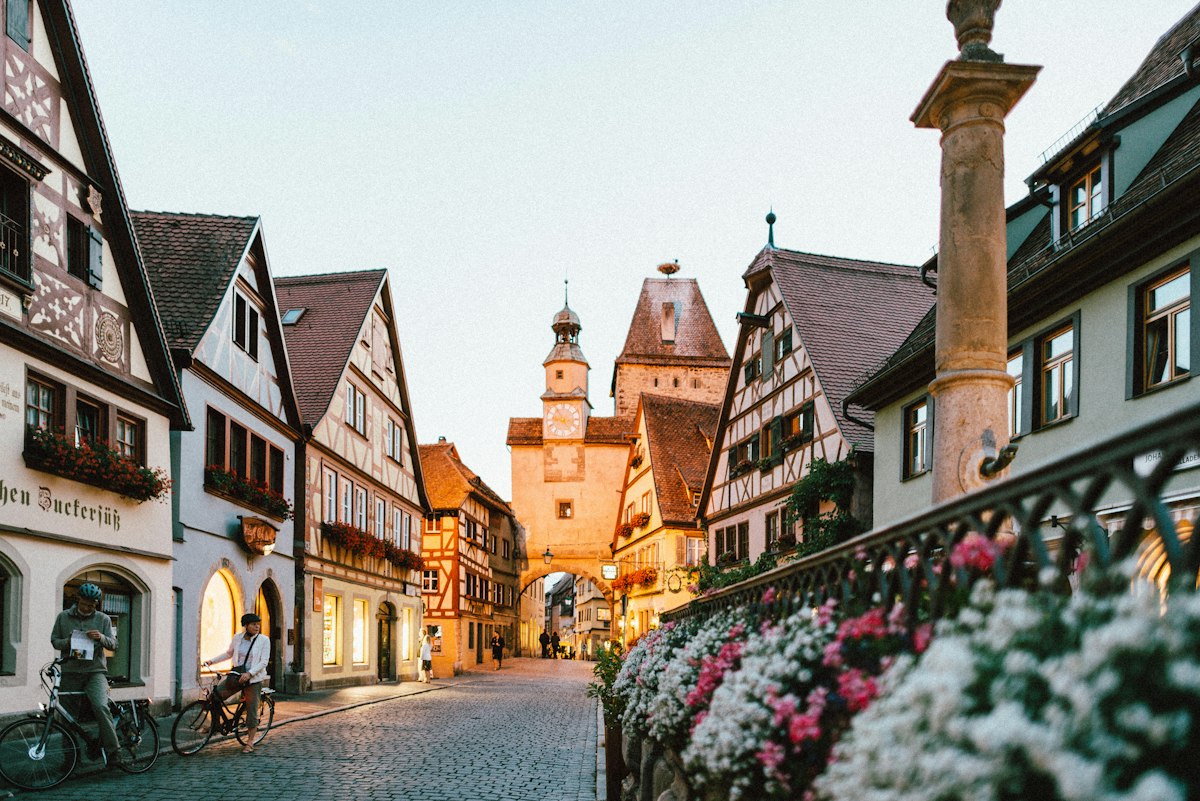
Alsace is a cultural phenomenon unique in Europe. This sliver of territory between the Rhine River and the Vosges Mountains has changed hands between France and Germany four times in 150 years (1870, 1918, 1940, 1945). The result is one of Europe's most distinctive regional identities: German half-timbered architecture, French culinary refinement, the Alsatian language (a German dialect with French loanwords), and a Christmas tradition that is simultaneously Germanic in depth and French in elegance.
What this means for the visitor:
- Architecture: Fachwerkhaus (half-timbered houses) painted in ochre, burgundy and forest green
- Food: French sauces on German charcuterie, Riesling in coq au vin
- Market stalls: Some vendors speak French to some customers and German to others in the same transaction
- Holiday spirit: Lutherans brought Christmas to Alsace in the 16th century; it has been unbroken since
This cultural layering is the reason Strasbourg at Christmas is incomparable — it carries more accumulated tradition per square meter than any other city.
Christkindelsmärik: The 1570 Market
Location: Place Broglie
The world's oldest continuously running Christmas market operates since 1570 in Place Broglie — a large rectangular square at the heart of Strasbourg, flanked by the Hôtel de Ville and the Opéra National du Rhin.
What's here:
- Approximately 300 wooden stalls, built to the same specifications under a municipality regulation — no plastic prefab, no uniform chain stands
- Authentic Alsatian crafts: hand-blown glass ornaments, Bredele (gingerbread cookies), linen products
- Vin chaud (mulled wine) in hand-painted ceramic cups with Alsatian motifs
- Freshly baked Bretzels (at least 50cm diameter, warm from the oven)
- Foie gras, Munster cheese, Baeckeoffe stew at culinary stalls
The central tree: The tallest Christmas tree in Alsace (20–25m), brought from the Vosges forests, decorated with 10,000 glass baubles and illuminated each evening at nightfall with a small ceremony.
2026 dates: 28 November – 27 December
Hours: Mon–Thu 11:00–20:00; Fri–Sat 11:00–22:00; Sun 11:00–21:00
Entry: Free
All 12 Christmas Markets: Complete Map
🌟 1. Place Broglie — Christkindelsmärik (The Main Market, since 1570)
The oldest, largest, most photographed. 300 stalls, 25m central tree, Opéra illuminated behind. The essential Strasbourg Christmas experience.
🏛️ 2. Place de la Cathédrale — Under Notre-Dame Cathedral
The most architecturally dramatic setting: the cathedral's rose window lit from behind, the 142m tower above, the smell of gingerbread in the air. Stalls with Alsatian jewelry and fine glass ornaments. Best angle: from the northeast corner for cathedral + market stall in one frame.
🕯️ 3. Place du Château — Night Market
Set against the walls of Palais Rohan (the former bishop's palace). More intimate atmosphere, artisan candle stalls, chamber music live every evening. Worth visiting after 8pm when the crowds thin.
🧸 4. Place Saint-Thomas — Children's Market
Next to Saint-Thomas Church. Dedicated to families: wooden artisan toys, miniature trains, marionette shows, warm honey milk for children. The least tourist-heavy of the central markets.
🌿 5. Place du Marché aux Cochons de Lait — Artisan Crafts
The "market of the suckling pig" — a small square with hand-painted Alsatian ceramics, wicker baskets, carved wood. The most authentic, least commercial market.
🍷 6. Place de la Grande Île — Wine and Gastronomy
Specializes in Alsatian culinary products: Riesling and Gewurztraminer wines, foie gras d'Alsace, Metzger smoked sausages, Munster cheese, Kugelhopf cake. Primarily a food market, less handicrafts.
🏰 7. Parc du Château de Rohan — Art and Light Installations
In the garden of Palais Rohan museum. Light art installations, local sculptors, street performances. Museum is ticketed; garden free in the evening.
✨ 8. Quai des Bateliers — The Waterside Market
On the bank of the Ill river, with traditional Alsatian barges decorated with lights reflected in the water. The most romantic of all the markets. Best at night.
🕌 9. Place Kléber — The Monument Tree
The city's main square (not primarily a Christmas market). The tree here rivals Place Broglie in size; the square is more commercial but spectacular with the building lights. Central meeting point for locals.
🎵 10. Place du Temple Neuf — Live Music
Daily concerts of Alsatian and classical music, Advent choral groups, traditional-costume carol singers. Free performances throughout the day.
🌲 11. Petite France — The Medieval Quarter Market
Strasbourg's most photographed neighborhood (half-timbered houses reflected in canal) becomes even more spectacular at Christmas. Smaller stalls, more artisan, slightly higher prices but superior quality. Best photography in the city.
🎭 12. Place de la République — International Market
Near the Palais de l'Europe. Stalls from various European countries (Germany, Belgium, Austria, Spain). Less authentically Alsatian but interesting for diversity.
Alsatian Christmas Food and Drink: The Complete Guide
Drinks — What to Order and Why
Vin Chaud (Mulled Wine) The French/Alsatian version of Glühwein — red wine with cinnamon, cloves, star anise and orange zest. Served in hand-painted ceramic cups with Alsatian motifs (Christmas flowers, the Alsatian house under snow). The price includes a cup deposit of 1€ — keep the cup (a great souvenir) or return it.
The insider version: White Vin Chaud made from Gewurztraminer (Alsace's aromatic white grape, with notes of lychee and rose) is rarer, more interesting, and preferred by locals. Look for stalls that offer it separately. 3–5€.
Vin Chaud Blanc From Riesling or Pinot Gris. Drier, more acidic than the red version. The local's choice in Alsace, rarely seen outside the region.
Jus de Pomme Chaud (Hot Apple Juice) For children and non-drinkers: warm Alsatian apple juice with cinnamon. Surprisingly extraordinary. 2–3€.
Alsatian Cider Fermented from apples grown in the Ortenau (Rhine Valley). Lightly sparkling, dry. 3–4€.
Food — Authentic Alsace vs. Tourist Trap
Bretzel (Alsatian Pretzel) Don't miss this. The Alsatian Bretzel is different — large (sometimes 60–70cm!), soft inside, with a glossy crust and coarse salt. Warm, fresh from the oven. €2–4. Best eaten immediately at the oven, not from a display case.
Bredele (Alsatian Christmas Cookies) Family recipes handed down through generations — cinnamon stars, vanilla crescents, petit sablés with almonds. These are what local families make at home in November to give to friends at Christmas. At the market: 5–15€ per box. The best souvenir to take home.
Flammkuchen (Tarte Flambée) The emblematic Alsatian dish. Paper-thin dough spread with crème fraîche, topped with thin-sliced onions and lardons (smoked bacon), baked 3–4 minutes in a wood-fired oven. Similar to pizza but completely different in texture and flavor — lighter, crispier, with a slight smokiness. €8–14 at a traditional restaurant with a wood oven. Not really available at market stalls (too complex).
Baeckeoffe (Alsatian Hotpot) Pork, lamb and beef slow-cooked with potatoes, onions and Alsatian white wine in a sealed clay pot. A winter dish that takes 3–4 hours to prepare — available only at proper restaurants, never at market stalls. €15–22. Worth planning an entire lunch around.
Choucroute Garnie (Garnished Sauerkraut) Fermented sauerkraut with juniper berries and bay leaf, served with 5+ types of sausage and smoked pork (Saucisse de Strasbourg, Montbéliard, Morteau, Fleischkäse, smoked pork loin). The national dish of Alsace. €18–28 at a traditional Winstub. Order for the full experience.
Foie Gras d'Alsace Alsatian goose or duck liver pâté has centuries of tradition here — Alsace produces foie gras of the same quality as Périgord, though less famous. At market stalls: terrine de foie gras with Gewurztraminer jelly on a cracker. €8–15 per portion.
Kugelhopf The Alsatian Christmas cake — a turret-shaped yeast cake with raisins macerated in Kirsch (cherry brandy), orange zest and almonds. Baked in a distinctive ceramic mold (the Kugelhopf mold is itself a classic Alsatian souvenir). €10–18 for a full cake. The best food gift to take home.
Munster Chaud (Warm Munster Cheese) AOC cheese from the Vosges mountains, served warm on bread or with boiled potatoes. Strong smell, extraordinary flavor. For the adventurous. €5–8.
When to Visit: Strasbourg's Advent Calendar
The 2026 Christmas Season
| Event | Date |
|---|---|
| Markets open | 28 November |
| Main tree lighting ceremony (Place Broglie) | 28 November, 6:30pm |
| Saint-Nicolas Day | 6 December |
| Christmas Eve | 24 December |
| Markets close | 27 December |
Important: Strasbourg is one of the few cities where markets close on 27 December — unlike Vienna (stays open to 26 Dec) or Prague (stays to 6 Jan). Plan your visit within the Advent period.
Best Time: 6–13 December
Markets fully operational, the Saint-Nicolas event (6 December) adds cultural depth, crowds not yet at peak, lights at full power. Snow is possible but not guaranteed.
Avoid: Weekends of 5–7 and 12–14 December when visitor numbers can exceed 500,000 over two days. The city restricts private cars in the center during peak weekends.
Saint-Nicolas Day (5–6 December)
Saint Nicholas parades through Place Broglie on the evening of 6 December with a traditional Alsatian procession, distributing apples, walnuts and Bredele to children. Free spectacle, deeply regional tradition.
Getting to Strasbourg
✈️ By Air
Strasbourg Entzheim Airport (SXB) has direct connections from major European cities (Paris, Amsterdam, London, Barcelona, Porto).
Alternatively: Basel-Mulhouse-Freiburg Airport (BSL/MLH) is a 1-hour bus ride away and often has cheaper flights from more destinations.
Airport → city center:
- Tram line D: Direct to city center via main station. €1.80. 20–30 min.
- Taxi: €25–35. 25–35 min.
🚆 By Train
Strasbourg is on a major European rail corridor:
- Paris (TGV): 1h45, €25–80
- Frankfurt (TGV/ICE): 2h, €20–60
- Zurich: 2h30, €30–80
- Stuttgart: 1h30, €20–50
- Brussels (Thalys): 3h30, €40–100
Strasbourg Gare Centrale connects directly to the tram network — 10 minutes to the city center.
🚌 By Bus (FlixBus/BlaBlaBus)
| Route | Duration | Price |
|---|---|---|
| Frankfurt → Strasbourg | ~2h | €10–25 |
| Stuttgart → Strasbourg | ~2h | €10–20 |
| Zürich → Strasbourg | ~3h | €15–30 |
| Brussels → Strasbourg | ~6h | €20–40 |
| Paris → Strasbourg | ~6h | €10–25 |
Where to Stay
Best Areas
🥇 Grande Île (The Great Island) — The Medieval Core UNESCO World Heritage city center. 5–10 minute walk to all major markets.
- Price: €90–200/night at 3–4-star hotels
🥈 Petite France — The Romantic Quarter Half-timbered houses reflected in the canal. 10–15 minutes from Place Broglie.
- Price: €80–180/night
🥉 Neustadt (19th-Century German New Town) Elegant Wilhelminian architecture, 15–20 minute walk to markets. Quieter, more residential.
- Price: €60–130/night
💰 Krutenau / Esplanade Student neighborhoods, authentic, 20–25 minutes on foot. Best local restaurants and bars.
- Price: €50–100/night
Specific Recommendations
Hôtel Régent Petite France (★★★★★) Inside Petite France itself, a former 16th-century ice factory converted to a luxury hotel. Canal views from most rooms. €180–350/night in Advent.
Hôtel du Gouverneur (★★★★) Right on Place Broglie — literally next to the Christmas market. It doesn't get more central. €100–180/night.
Hôtel Hannong (★★★★)
Neustadt, modern design inspired by the famous 18th-century Hannong porcelain manufacture. €90–150/night.
Book on Booking.com →
Getting Around Strasbourg
The Tram Network
Strasbourg has France's most modern tram network — 7 lines covering the entire city. The center is fully walkable but trams are essential for the airport or further neighborhoods.
| Ticket | Price |
|---|---|
| Single journey | €1.80 |
| Day pass (24h) | €4.20 |
| 3-day pass (72h) | €8.40 |
Line A is the most useful: traverses the center (Place de l'Homme de Fer ↔ Gare Centrale).
The recommended walking route: Place Broglie → Place de la Cathédrale → Petite France → Quai des Bateliers = 1.2 km, 25–30 minutes without stops. This covers 5 of the 12 markets without any transport.
Cultural Programme: Beyond the Markets
Classical Music
Concerts at Notre-Dame Cathedral The cathedral's monumental organ (one of France's largest) has Advent concerts every weekend. Free admission or modest tickets €10–20.
Orchestre Philharmonique de Strasbourg One of France's oldest orchestras (est. 1855). Advent repertoire always includes Handel's Messiah, Bach's Christmas Oratorio, Beethoven's 9th. Tickets €20–80 at Palais de la Musique et des Congrès.
Opéra National du Rhin The National Opera, right on Place Broglie, has an ambitious Advent programme: Coppélia, The Nutcracker, Baroque operas. Tickets €15–60. Book 4–6 weeks in advance for December dates.
Day Trips from Strasbourg
The Alsace Wine Route (Route des Vins d'Alsace)
The best day trip from Strasbourg — 170km of vine roads through medieval Alsatian villages, with the snow-covered Vosges mountains behind.
The most beautiful villages:
- Ribeauvillé — medieval feudal castles on the hills behind, fountain square, Saturday market
- Riquewihr — widely considered one of France's most beautiful villages; intact medieval walls, colorful half-timbered houses
- Obernai — the market town with a 16th-century fountain and fortified towers; has its own small Christmas market
- Kaysersberg — Albert Schweitzer's birthplace; medieval covered bridge, ruined castle above
Transport: TER regional trains from Strasbourg stop at Obernai (25 min) and Sélestat (30 min — connection point for Haut-Koenigsbourg castle). For Ribeauvillé and Riquewihr you need a car or an organized tour.
Recommended: Guided tour from Strasbourg (6–8 hours, €40–70/person) including 2–3 villages and Riesling tasting. Book at least one week ahead during Christmas season.
Colmar (45 min by train)
Colmar is often called a miniature Strasbourg — its own Grande Île-equivalent medieval core, its famous Petite Venise canal district with painted Christmas-lit houses, and its own Christmas market across 5 medieval squares. TER train: 45 min, €12–15. Perfect for a full day trip.
Freiburg im Breisgau, Germany (45 min by train)
Just 45 minutes away by train, Freiburg is a German university city with Germany's warmest climate and a medieval Christmas market in Münsterplatz. The Franco-German border crossing is passport-free. Train: 45 min, €12–20.
Haut-Koenigsbourg (Vosges Castle)
Alsace's most visited castle — reconstructed by Kaiser Wilhelm II at the turn of the 20th century, with panoramic views across the Rhine plain to the Black Forest. Transport by bus from Sélestat (train from Strasbourg). Entry €10–12.
What to Buy: Authentic Alsatian Souvenirs
Hand-Blown Glass Christmas Ornaments
The local tradition of glass-blowing Christmas ornaments dates from the 16th century. Baubles with Alsatian motifs (swans, oaks, the Alsatian rooster, the house under snow). Authentic price: €8–25 per ornament. Manufactured in Meisenthal (Vosges) or Wingen-sur-Moder.
How to tell authentic from Chinese copies: Real hand-blown glass has slight irregularities; each is slightly different. The weight is heavier. The paint is inside the glass (reverse painting). Check the label for "Artisanat d'Alsace" or the village of origin.
Where to buy authentic: Christian Decoration (Place de la Cathédrale), Mireille Oster (Rue du Vieux Marché aux Poissons).
Bredele (Alsatian Christmas Cookies)
Buy from a local patisserie, not a market stall (quality varies). Recommended: Pâtisserie Zimmermann or Pâtisserie Naegel. €8–15 per box.
Alsatian Wines
Riesling (dry, mineral), Gewurztraminer (aromatic, with rose and lychee notes), Pinot Gris, Crémant d'Alsace (sparkling). At the wine market in Place de la Grande Île: €8–20 per bottle. Best to take home: Gewurztraminer Vendanges Tardives (late harvest) for dessert, or Crémant for New Year's.
The Ceramic Vin Chaud Cup
The cup you receive your mulled wine in carries a €1 deposit — but its retail value is €8–12. Many visitors choose to keep it. It's already included in the price. Each market's cups have a unique design — different cups from each market square is a logical souvenir progression through all 12.
3-Day Strasbourg Itinerary
Day 1: Historic Center, Main Markets and Cathedral Twilight
9:00 — Breakfast at an Alsatian brasserie near Place Kléber or Rue des Grandes Arcades: croissant, café au lait. €5–9.
10:00 — Place Broglie: Christkindelsmärik stalls, the central tree, first cup of Vin Chaud. Browse without afternoon crowds.
11:30 — Place de la Cathédrale: rose window lit behind, fine ornament stalls, photography without midday crowds.
12:30 — Lunch: Flammkuchen + Riesling at a traditional Winstub. Recommended: Maison Kammerzell or La Cloche à Fromage. €18–28.
14:00 — Petite France: canal walk, half-timbered houses, the covered bridge. Quai des Bateliers waterside market.
16:00 — Palais Rohan: either the museum interior (Decorative Arts or Fine Arts, €7) or the garden with light installations (free).
17:00 — Return to Place de la Cathédrale for the golden hour (17:00–18:00): violet-blue sky + illuminated cathedral + Vin Chaud = the definitive Strasbourg Christmas photograph.
19:00 — Dinner: Choucroute Garnie or Baeckeoffe at a traditional restaurant.
Day 2: Wine Route or Colmar (Full Day Trip)
9:00 — Train to Colmar (45 min, €12–15) or organized Wine Route tour. Colmar: 5 Christmas markets in the medieval center, Petite Venise canal, Musée Unterlinden (Matthias Grünewald's Isenheim Altarpiece — one of the great works of European art). OR Wine Route with guide: Ribeauvillé, Riquewihr, Obernai, Gewurztraminer tasting.
18:30 — Return to Strasbourg. Evening: concert at the Opéra or Philharmonie, or re-visiting the markets at night (Place Broglie looks completely different after dark).
Day 3: Local Neighborhoods, Museum and Departure
9:00 — Neustadt (19th-century German district): elegant Wilhelminian architecture, quiet cafés, prices 20–30% lower than the center.
10:30 — Musée d'Alsace or Musée de l'Œuvre Notre-Dame (€7 each). Maximum 90 minutes.
12:30 — Lunch in Krutenau (student neighborhood): 30–40% cheaper than the center, authentic Alsatian food without tourist inflation.
14:30 — Final shopping: hand-blown ornaments, Bredele, Kugelhopf, Riesling or Gewurztraminer bottles.
16:00 — Tram to train station or airport. Departure.
Practical Tips Nobody Tells You
The cup deposit system by market: Each of the 12 markets has its own ceramic cups with its own design — deposits are non-transferable between markets. If you drink at Place Broglie and want Vin Chaud at Petite France, it's another €1 deposit. Many visitors keep all 12 cups as a complete collection.
Vin Chaud prices vary: €3–5 at most stalls; stalls further from Place Broglie (Quai des Bateliers, Place Saint-Thomas) tend to be slightly cheaper.
Cars are banned from the center during peak weekends (around December 11–13 and 18–20). Park at peripheral P+R lots (Rotonde or Elsau stations have included tram tickets).
Cold in Alsace in December: 0°C to -8°C, with possible snowfall. Wind by the Ill river canals can make it feel like -12°C. Waterproof footwear and thermal layering are essential, not optional.
Photography timing: The perfect window is 17:00–18:00 as it darkens but sky retains a violet-blue tone. Place de la Cathédrale and Petite France canal reflections are optimal in this window.
The organic Alsatian Christmas market at La Robertsau: Not listed in tourist maps — a small biodynamic Christmas market in Strasbourg's organic-farming suburb (20 min by tram) with certified Alsatian artisan products. Worth the detour on a weekday afternoon.
Strasbourg for Families with Children
Strasbourg is one of Europe's best Christmas destinations for families — compact enough to walk everywhere, visually spectacular for children, and with dedicated family programming.
Children will love: The main tree at Place Broglie (25m — genuinely impressive to any age). Giant Bretzels to carry through the market. The miniature train circuit through the city center during Advent (tickets €3–5). The animated Christmas window displays at Place Kléber. Marionette shows at Place Saint-Thomas.
Saint-Nicolas Day (6 December) is especially magical for children — Nikolaus (in his bishop's costume) parades through Place Broglie distributing apples, walnuts and Bredele. For children who know the Saint-Nicolas tradition (common in France, Belgium, Netherlands, Alsace and German-speaking countries), this is a highlight.
Family accommodation: Apartment rentals in Neustadt or Krutenau (Booking.com, Airbnb) offer kitchen access and more space at 30–50% lower cost than central hotels. The tram connections make them practical.
Stroller note: Grande Île cobblestones are old and uneven. A backpack carrier is easier in the market areas. Strollers are fine on main streets and tram connections.
The History of Christkindelsmärik: 456 Years of Christmas
1570 — First documented market
The first document mentioning a Christmas market in Strasbourg dates from 8 December 1570 — a Senate decree regulating the sale of toys and sweets for children during Advent. Location: Place du Temple Neuf.
17th century — The market grows
The market moves to Place de la Cathédrale and expands with Bredele, glass ornaments from the Vosges, and spiced wines. Artisans from the Vosges mountains begin bringing hand-blown glass ornaments to sell in Strasbourg.
1871–1918 — Under the German Empire
Alsace is annexed by Germany after the Franco-Prussian War. The market continues — now with stronger German influences. The name Christkindelsmärik (the Christ Child's Market) crystallizes. The tradition grows without interruption.
World War I
The market is suspended 1914–1918 — one of its very few interruptions. Fully recovered after 1918 when Alsace returns to France.
World War II
Suspended again 1939–1945. Strasbourg suffered bombardments. The market returns from 1946, initially smaller, gradually rebuilding.
1991 — Capital of Christmas
Strasbourg officially receives the title Capitale de Noël (Capital of Christmas), coordinating a European network of cities with traditional Christmas markets.
2026 — The 456th edition
Almost five centuries of continuity, broken only by two world wars. No other Christmas market in the world has this longevity uninterrupted by commercial reinvention.
Common Mistakes at Strasbourg
❌ Arriving on a peak weekend without accommodation booked Weekends 5–7 and 12–14 December draw 500,000+ visitors. Hotels book out months ahead. Last-minute accommodation is 2–3× more expensive or simply unavailable.
❌ Staying only at Place Broglie The 12 markets span 1.5km. Place de la Cathédrale, Petite France and Quai des Bateliers are equally spectacular and usually less crowded.
❌ Eating only at market stalls for every meal The restaurants on Rue du Vieux Marché aux Poissons, Rue de la Division Leclerc or in Krutenau serve better food at lower prices.
❌ Not booking the Wine Route trip in advance Organized tours sell out weeks ahead during Advent. Book online at least 2 weeks before.
❌ Missing the nighttime view of Petite France Petite France at Christmas is best photographed after 7:30pm when the daytrippers have gone and the light reflections in the canals are at their most dramatic.
Practical Information
| Info | Detail |
|---|---|
| Currency | Euro (€) |
| Language | French (English widely spoken; German works well too) |
| Emergency | 112 (EU-wide) |
| Ambulance | 15 |
| Police | 17 |
| Tram hours | 4:30am–12:30am (weekdays), 5:00am–1:00am (weekends) |
| Wi-Fi | Free in the center and at most market squares |
eSIM and Connectivity in France
France is in the EU — your European SIM card works with no extra roaming charges. For non-EU travelers or if you prefer a data plan:
Activate Airalo eSIM for France →
Travel Insurance
EKTA travel insurance for Strasbourg →
French/Alsatian Vocabulary for the Markets
| Expression | Pronunciation | Meaning |
|---|---|---|
| Vin chaud | van SHO | Mulled wine |
| Bretzel | BRET-zel | Alsatian pretzel |
| Flammkuchen | FLAMM-koo-hen | Tarte flambée |
| Joyeux Noël | jwa-YEH no-EL | Merry Christmas |
| Merci | mer-SEE | Thank you |
| Bonjour | bon-ZHOOR | Good day |
| S'il vous plaît | seel-voo-PLEH | Please |
| C'est combien? | say com-BYAN | How much? |
| Santé! / Prost! | san-TAY / PROST | Cheers! (French/Alsatian) |
| Une tasse, s'il vous plaît | oon TASS seel-voo-PLEH | One cup, please |
Final Checklist
2–3 months before:
- Book flights (prices rise sharply from October for December dates)
- Book accommodation (Strasbourg fills up for Advent — 500,000+ visitors/weekend)
- Book opera or philharmonic tickets if desired
1–2 weeks before:
- Reserve restaurants for dinner (Flammkuchen and Baeckeoffe restaurants)
- Book organized Wine Route tour if planned
- Buy travel insurance
On departure:
- Small euro cash (€50–100) for cup deposits and cash-only stalls
- Waterproof footwear and thermal layering — December in Alsace: 0°C to -8°C
- Sturdy bag with padding for purchases (hand-blown glass ornaments are fragile)
- Check whether private cars are restricted on your arrival weekend (CTS Strasbourg website posts restrictions 2 weeks ahead)
- Download the ViaCités app (Strasbourg public transport) for easy ticket purchase
- Download Google Maps offline for the Alsace Wine Route villages if doing a day trip
Why Strasbourg at Christmas Is Incomparable
There are more famous Christmas markets. Vienna has imperial grandeur. Prague has medieval authenticity at accessible prices. Nuremberg has the Christkind tradition. But Strasbourg has something none of them can fully replicate: absolute continuity.
When your Vin Chaud cools slightly in your hands in Place Broglie, you might think that someone stood in this same square, with this same spiced wine, in the winter of 1620. Or 1750. Or 1890. Same stones, same cathedral spire, same smell of cinnamon.
That is the magic of Strasbourg — it isn't a recreation. It's the same thing, still happening.
Book early — Strasbourg at Christmas fills up fast, often months before.
Best Strasbourg accommodation →
Stay connected:
Airalo eSIM for France →
Travel covered:
EKTA travel insurance →
Some links on this page are affiliate links. If you book through them, we may earn a commission at no extra cost to you. Our recommendations stay honest.