
10 Cheapest European Destinations Actually Worth Visiting in 2026
How we ranked these cities
This isn't a list of the cheapest places where you can technically survive on bread and a park bench. These are cities that are genuinely excellent travel destinations AND happen to be affordable. Each city was evaluated on three criteria: real daily budget (accommodation + food + transport + activities), quality of the travel experience, and ease of access (flight connections, infrastructure, safety).
Budget figures are based on 2026 data from the Post Office City Costs Barometer, Numbeo, and backpacker cost indices — cross-checked against real prices for a mid-budget traveller (budget hotel or good hostel, eating at local restaurants, using public transport).
1. Sarajevo, Bosnia & Herzegovina — €45/day
Sarajevo is arguably Europe's single best value destination in 2026, and it's far more than just cheap. The city sits in a valley where Ottoman bazaars meet Austro-Hungarian boulevards, and where the echoes of the 1990s siege give way to a creative, resilient culture that feels completely unlike anywhere else in Europe.
What things cost: A full ćevapi plate (the national dish — minced meat in flatbread) costs €4. A restaurant dinner with wine: €15-20 for two. A good double room: €30-40. A Bosnian coffee: €1.
Don't miss: Baščaršija (Ottoman bazaar quarter), the Tunnel of Hope (siege museum), Latin Bridge (where WWI started), and the surrounding mountains — winter Olympics infrastructure is still there, now used for hiking and paragliding.
Getting there: Wizz Air flies to Sarajevo from several European cities. Alternatively, fly to Split or Dubrovnik and take a scenic bus through the mountains (4-5 hours, €15-20).
2. Bucharest, Romania — €48/day
The world's heaviest building, nightlife that rivals Berlin, and full restaurant meals for €10-15. Bucharest is chronically underrated because most visitors skip it for Transylvania — their loss.
What things cost: Beer €2.50, street food (mici) €3, restaurant dinner €10-15, metro ticket €0.50, Palace of Parliament tour €10. A craft cocktail in the Old Town: €5-7.
Don't miss: Palace of Parliament, Old Town (Lipscani), Romanian Athenaeum, Herăstrău Park, and the nightlife — floating rooftop bars, underground clubs, and prices that let you stay out all night without financial regret.
Getting there: Direct flights from most European cities. Wizz Air and Ryanair from London: £25-50 one-way.
👉 Full guide: Bucharest in 3 Days — Ultimate City Break Guide
3. Belgrade, Serbia — €50/day
Belgrade is raw, loud, and endlessly energetic. The confluence of the Danube and Sava rivers gives it a dramatic setting, and the floating river clubs (splavovi) are legendary. Serbia uses the dinar (not the euro), which keeps prices remarkably low.
What things cost: Ćevapi: €3-4. Full restaurant meal: €8-12. Craft beer: €2-3. Double room: €30-45. A night out at a splav (floating club): €15-20 total including drinks.
Don't miss: Kalemegdan Fortress (free, sunset views over two rivers), Skadarlija (bohemian quarter, live music), Ada Ciganlija (lake beach in summer), and at least one night at a splav.
4. Kraków, Poland — €52/day
Medieval architecture, a magnificent main square, and some of the best-value dining in Europe. Kraków has been on budget travel lists for a decade, and while prices have crept up, it's still remarkably affordable compared to Western European equivalents.
What things cost: Milk bar (bar mleczny) lunch: €3-5 for a full meal. Restaurant dinner: €10-15. Hostel: €12-18/bed. Boutique hotel: €50-70.
Don't miss: Wawel Castle and Cathedral, the Main Square (Rynek Główny, the largest medieval square in Europe), Kazimierz (Jewish quarter, now the coolest neighbourhood), and a sobering but essential visit to Auschwitz-Birkenau (75 km away, half-day trip).
5. Budapest, Hungary — €55/day
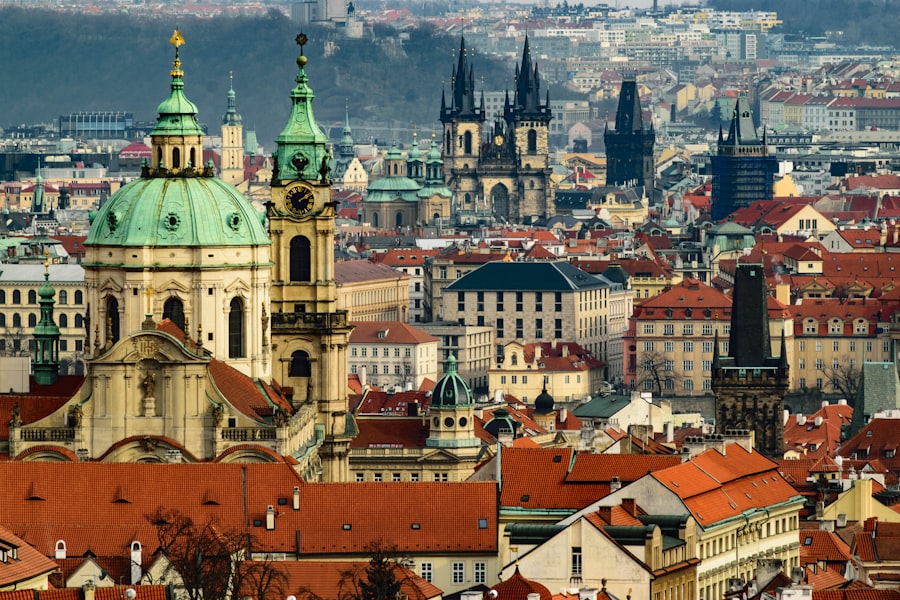
Thermal baths, ruin bars, and architecture that makes you stop and stare at every corner. Budapest straddles the Danube with Buda (hilly, historic) on one side and Pest (flat, energetic) on the other.
What things cost: Széchenyi thermal baths: €25. Ruin bar beer: €2.50-3.50. Full restaurant meal: €10-15. Public transport day pass: €5. Goulash soup at a local: €4.
Don't miss: Parliament building (guided tour €12), Fisherman's Bastion (free area + paid tower €4), Széchenyi Baths, ruin bars (Szimpla Kert is the original), and a river cruise at night (€10-20).
6. Sofia, Bulgaria — €55/day
Bulgaria adopted the euro on January 1, 2026, and prices have risen slightly as a result. But Sofia remains one of the cheapest EU capitals, with a fascinating mix of Roman ruins, golden-domed churches, and a food scene that punches well above its weight.
What things cost: Shopska salad: €3. Restaurant dinner: €8-12. Museum entry: €3-5. Double room: €35-50. A proper meal at a mehana (traditional tavern): €8-12 including wine.
Don't miss: Alexander Nevsky Cathedral (free, one of the largest Orthodox cathedrals in the world), Vitosha Mountain (cable car and hiking, 30 minutes from city centre), the Roman Serdica ruins (visible through glass panels in the metro station), and the Central Market Hall.
7. Tirana, Albania — €48/day
Albania is the Balkans' breakout star — Mediterranean access at Eastern European prices. Tirana is chaotic, colourful, and utterly unlike any other European capital. The country's recent tourism boom hasn't yet caught up to its prices.
What things cost: Byrek (pastry): €0.70. Full restaurant meal: €5-8. Double room: €25-40. Beer: €1.50-2. Coffee: €1.
Don't miss: Bunk'Art (Cold War bunker museum), Skanderbeg Square, the colourful painted buildings of the Blloku neighbourhood, and a day trip to Berat ("City of a Thousand Windows", UNESCO, 2 hours by bus).
Pro tip: Albania runs heavily on cash. ATMs give good rates, but many smaller restaurants don't accept cards.
8. Porto, Portugal — €62/day
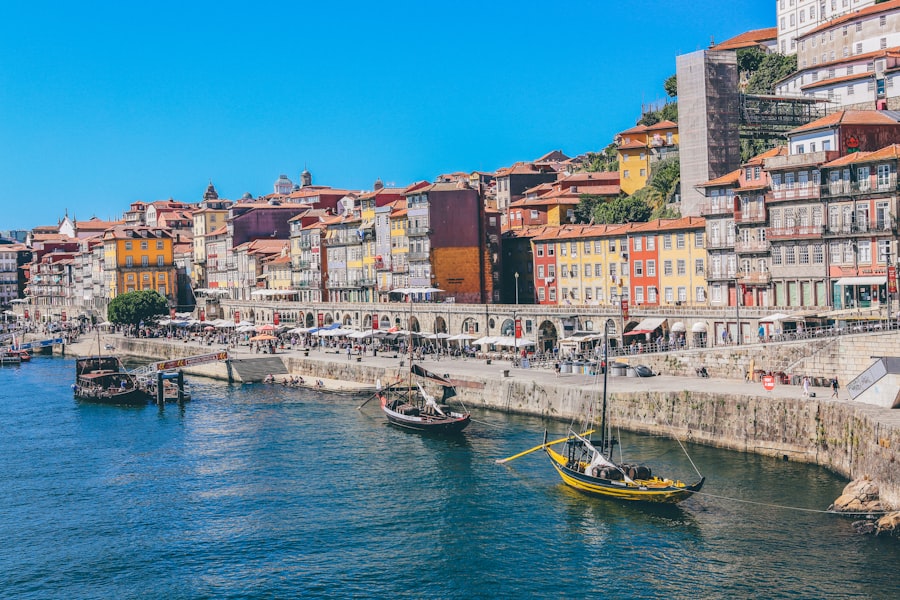
Porto proves you don't have to go east for value. This is the most affordable major city in Western Europe, and possibly the most photogenic. The Ribeira waterfront, port wine cellars, and azulejo-tiled churches make it devastatingly charming.
What things cost: Francesinha (iconic Porto sandwich): €8-10. Port wine tasting in Vila Nova de Gaia: €10-15 for 3 wines. Pastel de nata: €1.20. Double room: €50-75.
Don't miss: Livraria Lello (one of the world's most beautiful bookshops, €8 entry redeemable against a purchase), São Bento Station (stunning azulejo tiles, free), port wine cellars across the river in Gaia, and a sunset from the Dom Luís Bridge.
9. Split, Croatia — €58/day
A Roman palace that's still a living city, a spectacular waterfront promenade, and the gateway to the Croatian islands. Split is more affordable than Dubrovnik and arguably more characterful.
What things cost: Peka (traditional slow-cooked dish): €12-15. Beer on the Riva: €3-4. Diocletian's Palace underground: €8. Ferry to Brač or Hvar: €5-15.
Don't miss: Diocletian's Palace (a Roman emperor's retirement home, now the city centre), the Riva promenade, a ferry trip to Brač (Golden Horn beach), and the fish market for the freshest seafood in Croatia.
👉 Related: Road Trip Croatia: Split to Dubrovnik in 5 Days
10. Athens, Greece — €60/day
The birthplace of democracy, philosophy, and Western civilisation — and it's cheaper than you'd expect. Athens has shed its reputation as a stopover city and become a destination in its own right, with a thriving food scene, street art culture, and rooftop bars with Acropolis views.
What things cost: Gyro: €3-4. Restaurant dinner: €10-15. Acropolis ticket: €20 (combined ticket covering 7 sites: €30). Metro: €1.20. Rooftop cocktail with Acropolis view: €10-12.
Don't miss: The Acropolis (go at opening time, 8:00 AM), the National Archaeological Museum (€12, world-class), Monastiraki flea market, Plaka district, and a sunset from Filopappou Hill (free, better than the crowded Lycabettus).
Budget comparison table
| City | Daily budget | Beer | Full meal | Double room | Best for |
|---|---|---|---|---|---|
| Sarajevo | €45 | €2 | €8-12 | €30-40 | History, culture |
| Bucharest | €48 | €2.50 | €10-15 | €35-55 | Nightlife, food |
| Belgrade | €50 | €2.50 | €8-12 | €30-45 | Nightlife, energy |
| Kraków | €52 | €2.50 | €8-12 | €40-60 | Medieval, museums |
| Budapest | €55 | €3 | €10-15 | €40-65 | Baths, architecture |
| Sofia | €55 | €2 | €8-12 | €35-50 | Hiking, churches |
| Tirana | €48 | €1.50 | €5-8 | €25-40 | Adventure, emerging |
| Porto | €62 | €2.50 | €10-15 | €50-75 | Wine, beauty |
| Split | €58 | €3.50 | €12-15 | €45-70 | Beach, islands |
| Athens | €60 | €4 | €10-15 | €45-70 | Ancient history |
5 rules for budget travel in Europe
1. Eat where locals eat. Walk one block away from the main tourist street and prices drop 30-50%. In every city on this list, the best food is in the least photogenic restaurants.
2. Shoulder season is the cheat code. May-June and September-October: warm weather, lower prices, fewer crowds. July-August is the worst value in almost every European destination.
3. Use an eSIM instead of carrier roaming. A European eSIM costs €5-15 for your entire trip. Carrier roaming can cost €5-15 per day. The maths speaks for itself.
4. Walk first, transport second. Most European city centres are compact enough to explore on foot. Save the metro for getting to/from your hotel and for longer distances.
5. Get travel insurance. A week-long policy costs €12-25 — less than a single restaurant meal. Without it, a sprained ankle abroad can cost €500-3,000. Not worth the gamble.
Întrebări frecvente
- What is the cheapest country in Europe to visit?
- Bosnia & Herzegovina, Albania, and North Macedonia are consistently the cheapest countries in Europe for travellers in 2026. A comfortable day in Sarajevo costs around €45, and Tirana around €48 — including a private room, three meals, and activities. Romania, Bulgaria, Serbia, and Poland are close behind at €48-55/day.
- Is Eastern Europe safe for tourists?
- Yes. Eastern European cities like Bucharest, Budapest, Kraków, and Belgrade are generally as safe as Western European capitals, with lower rates of tourist-targeting crime than Barcelona or Paris. Standard precautions apply everywhere: use ride-hailing apps, watch for pickpockets in crowded areas, and stick to well-lit streets at night.
- When is the cheapest time to visit Europe?
- January-March and November (excluding Christmas/New Year) offer the lowest flight and accommodation prices. For good weather AND reasonable prices, May-June and September-October are the sweet spot — warm enough for outdoor sightseeing, without July-August peak pricing and crowds.
- Can you travel Europe on €50 a day?
- In Eastern Europe and the Balkans, €50/day covers a private room in a budget hotel, three meals at local restaurants, public transport, and 1-2 paid attractions. In Western Europe, €50/day requires a dorm bed, self-catering for some meals, and focusing on free attractions. It's tight but doable in cities like Porto, Lisbon, and Athens.
Some links on this page are affiliate links. If you book through them, we may earn a commission at no extra cost to you. Our recommendations stay honest.