Egypt Complete Travel Guide 2027: Pyramids, Nile, Red Sea and Everything You Need to Know
Why Egypt in 2027 is One of the World's Best Value Travel Destinations
Egypt has always been on the bucket list, but in 2026-2027 it has become more accessible and more affordable than at any point in recent memory. The Egyptian pound has weakened significantly against the euro and dollar since its float in March 2024, meaning that once you're on the ground, your money goes extraordinarily far.
Here's what your money buys you in Egypt today:
- A full meal at a good local restaurant: under €1
- A taxi across Cairo: €0.50–1
- A bottle of water: €0.05–0.10
- A three-hour felucca ride on the Nile: €4–8
- Entrance to the Valley of the Kings (3 tombs): €7
Combined with direct flights from across Europe for as little as €150–200 return in winter, Egypt delivers a combination of world-class history, genuine beach luxury, and unbeatable value that few destinations can match.
This guide covers absolutely everything: visa requirements, flights, real budget breakdowns, the full Hurghada vs Sharm el-Sheikh debate, a complete Nile cruise guide, itinerary options from 5 to 14 days, food and water safety, the most common scams (and how to avoid them), and practical tips that will make your trip significantly better.
1. Egypt Visa Requirements for International Travelers 2026-2027
Three Ways to Enter Egypt
Option 1: Visa on Arrival
The simplest option. Arrive at Cairo (CAI), Hurghada (HRG), or Sharm el-Sheikh (SSH) airport, walk to the bank booths in the arrivals hall before passport control (National Bank of Egypt or Banque du Caire), pay the fee, get your sticker, done.
- Cost (from March 2026): $30 per person, single entry
- Duration: 30 days
- What you need: Valid passport (6+ months validity), $30 USD cash
- Queue time: Usually 10–20 minutes
Option 2: E-Visa (Online Before Travel)
Apply online at visa2egypt.gov.eg before departure. Skip the airport queue entirely.
| E-Visa Type | Cost | Validity | Max Stay Per Entry |
|---|---|---|---|
| Single Entry | $30 | 3 months | 30 days |
| Multiple Entry | $65 | 6 months | 30 days per visit |
- Processing time: Typically 3–5 working days (sometimes 24 hours)
- Documents needed: Passport scan (first page), email address, payment card
- Recommendation: Apply at least a week before departure for peace of mind
Option 3: Group Visa Through Tour Operator
If you're booking a package holiday through a travel agency, they often handle group visa arrangements. Check with your operator before applying independently.
Practical Recommendation
For beach holidays (Hurghada or Sharm el-Sheikh), visa on arrival is perfectly fine — the process takes under 20 minutes and the cost is the same as an e-visa. Have $30 USD cash ready.
For independent cultural travel or if you prefer certainty before departure, e-visa is recommended.
2. Getting to Egypt: Flights and Practical Info
Main Airports in Egypt
| Airport | Code | Best for |
|---|---|---|
| Hurghada | HRG | Hurghada Red Sea resorts |
| Sharm el-Sheikh | SSH | Sharm resorts, Sinai |
| Cairo International | CAI | Capital, pyramids, cultural travel |
| Luxor | LXR | Temples, Valley of the Kings |
| Aswan | ASW | Nile cruise end-point, Abu Simbel |
Flight Times from Europe
- London to Hurghada: ~5h direct
- London to Cairo: ~5h 30min direct
- Frankfurt to Cairo: ~4h direct
- Paris to Hurghada: ~5h direct
- Amsterdam to Cairo: ~5h direct
Approximate Flight Prices (Europe to Egypt, 2026-2027)
| Origin | Destination | Season | Price Range |
|---|---|---|---|
| London | Hurghada | Winter (Nov–Mar) | £150–350 return |
| London | Cairo | Winter | £200–450 return |
| London | Sharm el-Sheikh | Winter | £180–380 return |
| Most European cities | Hurghada | Winter | €150–400 return |
| Most European cities | Cairo | Winter | €200–500 return |
Charter flights to Hurghada and Sharm el-Sheikh from many European cities offer the best prices when booked as part of a hotel package. Standalone charter seats are sometimes available but less common.
Best booking strategy: Set price alerts on Google Flights and Skyscanner 2–3 months before departure. November, January, and February prices are significantly lower than the Christmas and New Year peak.
3. Best Time to Visit Egypt: Month by Month Guide
The Winter Season (November–March): Prime Time for Tourism
This is when Egypt is at its best for visitors from Europe and North America. Pleasant temperatures across all destinations, minimal rainfall, and perfect conditions for both beach and cultural visits.
| Month | Cairo Day/Night (°C) | Hurghada Day/Night (°C) | Red Sea Water Temp | Crowds |
|---|---|---|---|---|
| November | 25 / 14 | 28 / 20 | 25°C | Moderate |
| December | 20 / 10 | 24 / 17 | 23°C | High (holiday season) |
| January | 19 / 8 | 23 / 15 | 22°C | High |
| February | 21 / 9 | 24 / 16 | 21°C | Moderate-High |
| March | 24 / 12 | 27 / 18 | 22°C | Moderate |
Note on December/January: These are peak season months with the highest prices and longest queues. Expect to pay 30–50% more for accommodation and flights compared to November or February.
Spring and Autumn (October, April): Great Value Windows
Temperatures are warmer but manageable (28–35°C). Fewer tourists than winter. Better prices. The Nile cruise is excellent in these months. Slight risk of sandstorms (khamsin winds) in April–May.
Summer (June–September): For Heat-Lovers and Budget Travelers
Cairo and Luxor regularly hit 40–45°C. Hurghada and Sharm el-Sheikh are more manageable at 35–38°C with sea breezes. This is the cheapest season for hotels and Nile cruises. Cultural visits (pyramids, temples) are exhausting but possible if you start early. Beach resorts are genuinely comfortable if you stay in air-conditioned hotel rooms and pools.
Recommendation for most travelers: Aim for November, February, or March — good weather, manageable crowds, reasonable prices.
4. Hurghada vs Sharm el-Sheikh: The Complete 2027 Comparison
The most common dilemma for first-time Egypt visitors. Both are Red Sea resorts, both are excellent, but they suit different types of travelers.
Hurghada
Location: On the African mainland, 450 km south of Cairo, directly drivable from Luxor (~4 hours) and Aswan (~6 hours).
Character: Hurghada is a resort town with a real city attached. Beyond the resort strip (Sahl Hasheesh, Makadi Bay, Soma Bay), there's a city center (El Dahar), a local souk, seafood restaurants, a marina, and a bustling promenade. It feels more authentic and more alive than Sharm.
Beaches: Sandy beaches with generally calm, shallow water — particularly good for families with children.
Diving and snorkeling: Best reefs require a boat trip (45 minutes to Giftun Island). Hurghada's house reefs are modest, but it excels at wreck diving — the SS Thistlegorm (one of the world's top wreck dives, a WWII British merchant ship), the Abu Nuhas wrecks, and the Carnatic are all within reach.
Prices:
| Item | Price in Hurghada |
|---|---|
| 4-star all-inclusive (per night) | $80–140 |
| 5-star all-inclusive (per night) | $150–300 |
| Snorkeling day trip to Giftun Island | $30–50 |
| 2-dive day trip | $60–100 |
| Mid-range dinner | $10–20 |
Sharm el-Sheikh
Location: At the southern tip of the Sinai Peninsula, surrounded by mountains, overlooking the turquoise Gulf of Aqaba. Accessible only by air from the rest of Egypt.
Character: Sharm is a pure resort — polished, controlled, contained. Naama Bay is the main strip, with hotels, restaurants, and dive centers in a relatively small, walkable area. The backdrop of jagged desert mountains is spectacular.
Beaches: Less sandy beach but extraordinary house reef access — many resorts sit directly over coral reefs you can reach from a hotel jetty, snorkel mask in hand, in two minutes.
Diving and snorkeling: Where Hurghada wreck-dives, Sharm reef-dives. Ras Mohammed National Park is consistently rated among the top 10 dive sites on Earth. The Strait of Tiran features a vertical reef wall with 30+ meters of visibility and visibility so clear you can count individual fish from the surface.
Prices:
| Item | Price in Sharm |
|---|---|
| 4-star all-inclusive (per night) | $150–250 |
| 5-star all-inclusive (per night) | $300–600+ |
| Snorkeling trip | $40–70 |
| 2-dive day trip | $80–130 |
| Mid-range dinner | $20–35 |
Head-to-Head Comparison
| Factor | Hurghada | Sharm el-Sheikh |
|---|---|---|
| Price | ✅ Significantly cheaper | ❌ More expensive |
| Sandy beaches | ✅ Better | Variable |
| Snorkeling from hotel jetty | ❌ Need a boat | ✅✅ Direct access |
| Reef quality | ✅ Good (Giftun) | ✅✅ World-class (Ras Mohammed) |
| Wreck diving | ✅✅ Excellent | Average |
| Access to cultural sites (Luxor, Cairo) | ✅ Easy (road/train) | ❌ Difficult (fly only) |
| Nightlife and local atmosphere | ✅ Lively | Quiet |
| Families with children | ✅✅ | ✅ |
| Couples/honeymooners | ✅ | ✅✅ |
| Budget travelers | ✅✅ | ❌ |
Bottom line:
- First-time visitor who wants beach + cultural sites combined: Hurghada
- Dedicated diver or pure beach relaxation at higher standard: Sharm el-Sheikh
- Budget traveler: Hurghada, clearly
5. Cairo and the Pyramids: Complete Visitor Guide
The Pyramids of Giza and the Great Sphinx
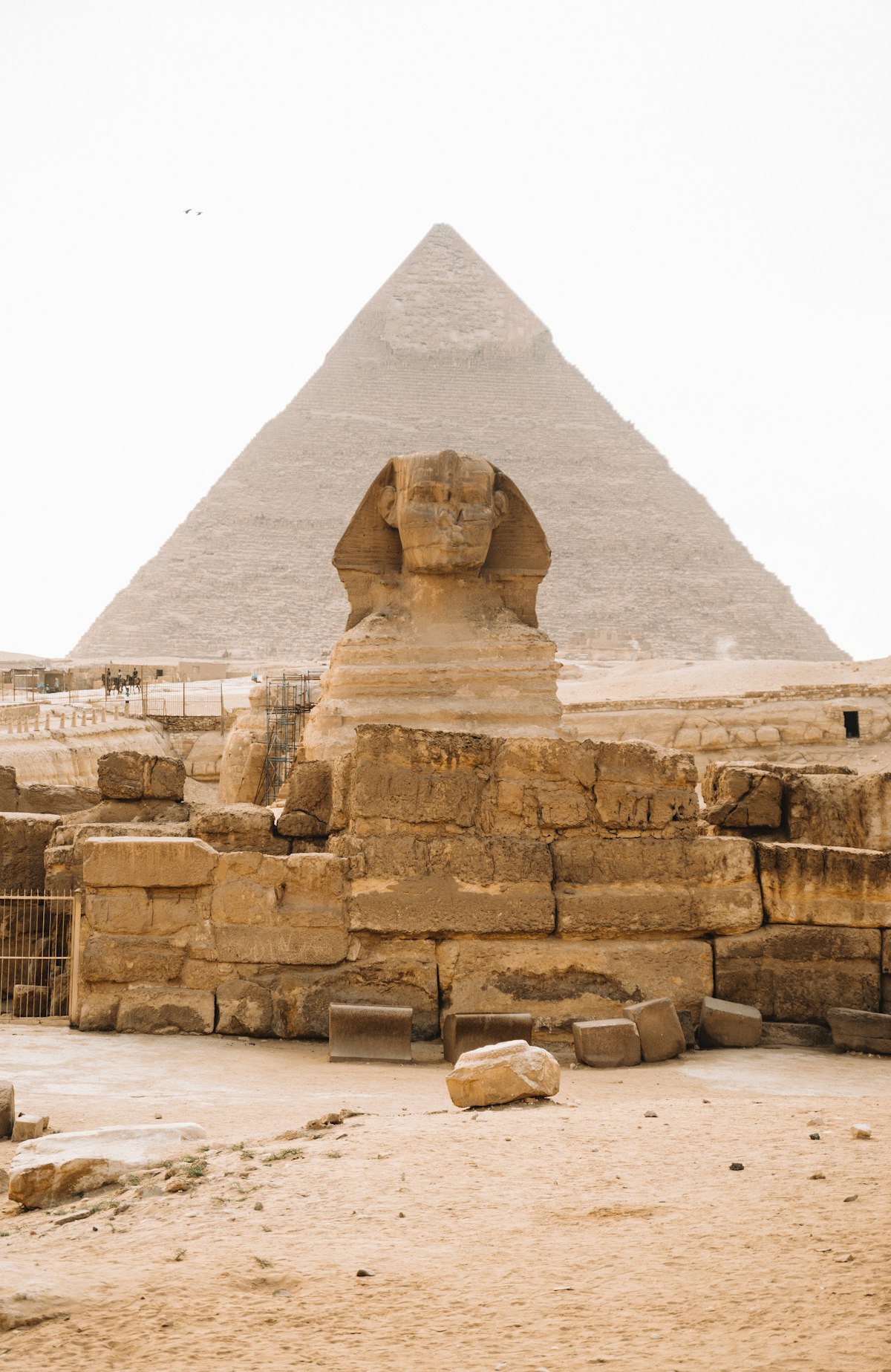
The most photographed structures on Earth need no introduction, but they never fail to deliver. The scale — something photographs genuinely cannot capture — hits you physically as you walk toward them.
Current entrance fees (2026):
| Access | Price |
|---|---|
| Giza Plateau (all 3 pyramids exterior + Sphinx) | $15 |
| Great Pyramid of Khufu (interior) | +$31 |
| Pyramid of Khafre (interior) | +$6 |
| Pyramid of Menkaure (interior) | +$4 |
| Evening Sound and Light Show | ~$10–15 |
Practical tips:
- Arrive at 7:30 AM — you'll have the site nearly to yourself for 90 minutes before tour groups arrive around 9:30
- Pyramid interiors: Narrow, low passages, no light until you reach the burial chamber. Worth it for some (the experience of standing in a 4,500-year-old chamber is profound) but not for others (claustrophobic, physically demanding)
- Camel rides: Always agree on the price before accepting — vendors near the site are aggressive. Photography requests always come with a tip demand; decline politely upfront
- Unofficial "guides": Men will approach you as soon as you enter offering to guide you. Unless you've pre-booked through your hotel, decline — they'll demand disproportionate amounts at the end
The Grand Egyptian Museum (GEM)
Opened fully in 2023, the GEM is the world's largest archaeological museum — purpose-built next to the pyramids at a cost of $1 billion. The Tutankhamun collection (all 5,000+ objects, including the famous gold mask in its full context) is displayed here for the first time in its entirety.
- Ticket: $25–30 (online booking recommended to skip queue)
- Time needed: 3–5 hours for a thorough visit
- Don't miss: The Royal Mummies Hall (20+ royal mummies including Ramesses II), the Tutankhamun Gallery, the solar boats
Saqqara and Dahshur: The Pyramid Experience Without the Crowds
Just 30–45 km south of Cairo, these sites offer world-class archaeology without the Giza crowds.
Saqqara: The Step Pyramid of Djoser (2700 BCE) is the world's oldest pyramid — 150 years older than the Great Pyramid. The surrounding complex is vast and largely uncrowded. Cost: $9
Dahshur: The Bent Pyramid and Red Pyramid of Pharaoh Sneferu. The Red Pyramid can be entered for free — you descend a steep 63-meter passage to the burial chamber, completely alone if you time it right. Cost: $4
Islamic Cairo: Al-Muizz Street, the Citadel, Khan el-Khalili
Al-Muizz Street is a medieval Islamic boulevard lined with mosques, minarets, madrasses, and Mamluk monuments — a UNESCO heritage zone. Free to walk, priceless to experience.
The Citadel of Saladin dominates the Cairo skyline. The Mosque of Muhammad Ali inside (19th century Ottoman architecture, alabaster interior) is stunning. Cost: $6
Khan el-Khalili Bazaar is one of the Middle East's oldest markets (14th century). Free entry. Haggling is expected and part of the experience. Buy: spices, papyrus, alabaster, cotton, perfume oils, lanterns. Starting prices are always 3–5x higher than the fair price — counter-offer at 20–30% and settle at 40–60%.
6. Luxor: The World's Greatest Open-Air Museum
Why Luxor Is Not Optional
If Cairo impresses with scale, Luxor delivers depth. Within a 20-kilometer stretch of the Nile, you'll find more standing ancient monuments than in the rest of the world combined. Luxor was ancient Thebes — capital of the Egyptian empire at its height for 1,500 years.
East Bank (The Living City)
Karnak Temple Complex
The largest religious complex ever built. 100 hectares of temples, obelisks, sphinx avenues, and sacred lakes accumulated over 2,000 years by successive pharaohs. The Great Hypostyle Hall — 134 columns up to 23 meters tall, each carved with reliefs — is one of humanity's greatest architectural achievements.
- Cost: $6
- Time needed: 1.5–2 hours with a guide (without a guide, Karnak is confusing; the layout is complex and the history is inaccessible without explanation)
- Best time: Early morning or late afternoon for lower temperatures and better light
Luxor Temple
Smaller and more intimate than Karnak, with the advantage of being illuminated dramatically at night. The entrance obelisk (Luxor once had two — the other is in Place de la Concorde, Paris) and the colossal seated statues of Ramesses II frame one of Egypt's most recognizable images.
- Cost: $5
- Night visit: Highly recommended — the warm lighting creates an entirely different atmosphere
West Bank (The City of the Dead)
Valley of the Kings
The royal necropolis of the New Kingdom — 62 tombs cut deep into the limestone cliffs of the Theban hills. Standard ticket covers entry to any 3 tombs (some exceptions apply).
| Tomb | Additional Cost | Why Visit |
|---|---|---|
| Standard ticket (3 tombs) | $8 | Ramesses IV, Ramesses IX, Merenptah — well preserved, included |
| Tutankhamun | +$8 | Only pharaoh whose mummy remains in situ |
| Seti I | +$42 | Most exquisitely decorated tomb ever found |
| Nefertari | +$42 | Most beautiful tomb, Technicolor wall paintings |
Practical tip: Arrive at 6:00 AM when the site opens — the first hour is magnificent with almost no other visitors. Temperature inside is notably lower than outside.
Temple of Hatshepsut (Deir el-Bahri)
Three colonnaded terraces rising dramatically against vertical cliffs. Hatshepsut was Egypt's first great female pharaoh and one of its most effective rulers. The temple's design is unique in Egyptian architecture — almost modern in its clean lines.
- Cost: $5
Colossi of Memnon
Two 18-meter seated statues standing alone in a field near the road. Free to see from the road. Worth a 10-minute stop.
7. Nile Cruise Guide 2027: What to Know Before You Book
Why Take a Nile Cruise
A Nile cruise is the most efficient and atmospheric way to experience the temples of Upper Egypt. Rather than driving between sites, you sleep on a floating hotel that moves overnight, waking up at each temple's riverbank. The temples were built to be seen from the river; the experience of approaching Kom Ombo or Edfu by boat as the light changes is genuinely magical.
Standard Route: Luxor to Aswan (or Aswan to Luxor)
The classic 4-day/3-night itinerary:
| Day | Destination | Sites |
|---|---|---|
| Day 1 | Luxor | Karnak Temple + Luxor Temple |
| Day 2 | Luxor → Edfu | Valley of the Kings + Hatshepsut + Memnon Colossi → sail → Edfu Temple |
| Day 3 | Edfu → Kom Ombo → Aswan | Temple of Horus at Edfu → Kom Ombo (Sobek crocodile temple) → sail to Aswan |
| Day 4 | Aswan | Philae Temple + Unfinished Obelisk + High Dam + felucca ride |
Optional Day 5: Early morning excursion to Abu Simbel (car or flight from Aswan).
Nile Cruise Costs (2026)
| Ship Category | Cost Per Person (3 nights, double cabin) | Notes |
|---|---|---|
| Standard (5-star Egyptian standard) | $449–600 | Adequate cabin, included meals, basic service |
| Deluxe/Mid-range | $600–900 | More comfortable, better guiding |
| Luxury | $900–1,500 | Balcony cabin, premium service |
| Dahabiya (private traditional sailboat) | $1,500–3,000 | 5–7 days, intimate, no motor |
Cheapest season: June–August (but also hottest) Most expensive: Christmas and New Year (prices 30–50% higher)
What's Usually Included vs. Extra
Typically included:
- Accommodation for the stated nights
- Three meals daily (breakfast, lunch, dinner)
- Entry fees for bazaars during the standard itinerary stops
- Group guided tours at each temple
Almost always extra:
- Drinks (water, soft drinks, alcohol) — this is a significant cost; plan accordingly
- Optional excursions (Abu Simbel, hot air balloon over Luxor at dawn)
- Individual site entrance fees (not covered in the cruise price)
- Domestic flights to reach Luxor or return from Aswan
- Crew tips (~$10–15 per person for the full crew, given at the end)
The Hot Air Balloon over Luxor
From the West Bank before sunrise, dozens of balloons rise over the temples as the sun breaks the horizon. Flying over the Valley of the Kings, Hatshepsut's temple and the Nile at dawn is one of the most spectacular experiences Egypt offers.
- Cost: $80–130 per person
- Duration: 45–60 minutes
- Book through: Your cruise ship or hotel — they have established relationships with operators
- Safety: The balloon industry in Luxor has had incidents; book only through reputable operators with verified safety records
8. Aswan and Abu Simbel: Egypt's Southern Treasures
Aswan: The Most Relaxed City on the Nile
Aswan is entirely different from Cairo or Luxor. It moves slowly. The Nubian influence (Egypt's indigenous population south of Aswan) gives the city warmth and color — painted houses in orange, blue, and yellow, wooden boats on emerald water, desert mountains rising on three sides.
Key attractions:
Philae Temple (Temple of Isis): Dismantled stone by stone and rebuilt on a higher island before the High Dam flooded its original location. The story of its rescue (a UNESCO-led international engineering project in the 1960s and 70s) is as remarkable as the temple itself. Access by boat, included in the $6 entry fee.
Unfinished Obelisk: An enormous obelisk abandoned in the granite quarry when a crack was discovered — still attached to the bedrock. The best place in Egypt to understand how obelisks were actually made. Cost: $4
High Aswan Dam: Built with Soviet assistance in the 1960s, it created Lake Nasser — one of the world's largest artificial lakes, stretching 500 km south into Sudan. Free to view from the road.
Felucca sailing: A felucca is a traditional Nile sailboat with no engine — just wind and skill. 1–2 hours around the Nile islands near Aswan costs $4–10 (negotiate with the boatmen). Best in late afternoon as the light turns golden.
Abu Simbel: The Most Spectacular Site in Egypt (and Perhaps the World)
If there is one place in Egypt where "jaw-dropping" is not hyperbole, it is Abu Simbel. Two temples carved entirely into a sandstone cliff by Ramesses II in 1264 BCE, relocated piece by piece to their current position in the 1960s when the Aswan Dam raised Lake Nasser.
The main temple facade: four seated colossal statues of Ramesses II, each 20 meters tall, cut from solid rock. Inside, eight ten-meter statues of the pharaoh line the main hall, with relief paintings of the Battle of Kadesh covering every wall.
The astronomical precision: The inner sanctuary was designed so that twice a year (October 21 and February 21 — the pharaoh's birthday and coronation), the morning sun penetrates 65 meters through the main axis and illuminates three of the four seated deities in the inner shrine. The fourth (Ptah, god of darkness) remains in shadow.
Practical information:
| Detail | Information |
|---|---|
| Entrance fee | $17 |
| Location | 290 km south of Aswan, near Sudan border |
| By car | 3.5 hours each way, depart 4:00 AM in a police convoy |
| By flight | 45 minutes from Aswan, $80–150 USD return |
| Time on site | 1.5–2 hours |
| Best time to arrive | 5:00–6:00 AM for dawn light and minimal crowds |
The convoy: The road to Abu Simbel operates in organized police convoys for security. This sounds more intimidating than it is — it's safe, organized, and simply means you depart at a set time with other vehicles. The 4:00 AM departure has the bonus of arriving at dawn.
9. Egyptian Food: What to Eat, Where to Eat, What to Avoid
Essential Dishes to Try
Koshary — Egypt's national dish and arguably the world's best street food. A bowl of pasta, rice, lentils, chickpeas, macaroni, topped with spiced tomato sauce and crispy fried onions. Every Egyptian city has dedicated koshary restaurants. Cost: $0.50–1.
Ful Medames — Slow-cooked fava beans with olive oil, lemon, garlic, and cumin. The traditional Egyptian breakfast. Cost: $0.25–0.50.
Ta'ameya (Egyptian Falafel) — Made from fava beans (not chickpeas), greener and denser than Middle Eastern falafel. Served in flatbread with vegetables and tahini. Cost: $0.25–0.50.
Shawarma — Chicken or beef, grilled on a vertical spit, served in flatbread with tahini, pickles, and vegetables. Cost: $0.60–1.25.
Hamam Mahshi (Stuffed Pigeon) — A surprising Egyptian specialty. Whole pigeon stuffed with rice and herbs, roasted crisp. Sounds unusual; tastes extraordinary. Cost: $3–8.
Om Ali — The national dessert. A warm pudding of puff pastry, cream, coconut, nuts, and raisins baked in milk. Addictive. Available in most hotels and sit-down restaurants.
Feteer Meshaltet — Layered pastry cooked on a griddle, filled with cheese, minced meat, or honey and cream. Egypt's answer to both savory and sweet pastry. Cost: $1–3.
Where to Eat
- Local neighbourhood restaurants: The most authentic, cheapest option. Set menu of a few dishes. $2–5 per meal. High table turnover = fresh food.
- Tourist-strip restaurants (Luxor Corniche, Hurghada Marina): English menus, international options, prices $10–20 per person. Quality varies; reviews essential.
- All-inclusive hotel: Already paid for, usually good quality, international buffet variety.
Food and Water Safety
The golden rule: Never drink tap water in Egypt. Not even a sip. Use sealed bottled water for everything, including brushing teeth. Available everywhere: $0.20–0.40 for 1.5L.
Street food safety: Choose stalls with high turnover — the locals know. Prioritize hot, freshly cooked food. Avoid anything that's been sitting out. Peel fruit yourself or buy sealed.
Ice: Avoid ice unless you're in a 5-star hotel where it's made from filtered water.
Stomach issues: Traveler's diarrhea is relatively common in Egypt. Pack Imodium and oral rehydration salts. It's rarely severe and usually resolves in 24–48 hours.
10. Safety in Egypt 2026-2027: Honest Assessment
Overall Safety Rating
Egypt is broadly safe for tourists. The UK, US, and EU travel advisories all rate most tourist areas as exercising "normal precautions" with specific warnings for particular zones. Physical violence against tourists is rare; the main safety concerns are scams, petty theft, and harassment.
Safety by Region
| Region | Safety Level | Notes |
|---|---|---|
| Red Sea Resorts (Hurghada, Sharm el-Sheikh) | ✅✅ Very High | Checkpoints on all entry roads, heavy security presence |
| Cairo (tourist areas) | ✅ High | Standard urban precautions — pickpocket awareness |
| Luxor and Aswan | ✅ High | High tourist police presence, secure areas |
| North Sinai Peninsula | ❌ Avoid | Active conflict zone, all governments advise against travel |
| Western Desert | ⚠️ Caution | Not suitable for independent travel, requires security escort |
The Most Common Tourist Scams
1. The Broken Meter Taxi "My meter isn't working" is the universal introduction to overcharging. Always use Uber or Careem (available in Cairo and major cities — same as your home city, just much cheaper) or agree on a price before you get in.
2. The Friendly Relative's Shop A local strikes up conversation about their family, invites you for tea, steers you toward a "government-approved" papyrus or perfume store run by a cousin. Prices are 5–10x inflated. The key is not being rude — just confidently decline: "No thank you, I need to go."
3. The Unauthorized Guide Men position themselves at monument entrances offering to guide you. Unless booked through your hotel or a registered operator, they will demand exorbitant amounts at the end. If you want a guide (and at Karnak, you should — it's genuinely hard to understand without one), book one in advance.
4. The Baksheesh Photograph Setup Someone adjusts your position for a photo, hands you a prop, drapes something on you. Any interaction initiated by a local near tourist sites comes with an expected tip. Decide in advance whether you want it; agree on the amount upfront.
5. Official Ticket Scam Men near secondary entrances to sites claim to be collecting an additional fee for a "special access." The official ticket office is always clearly marked. Pay only there.
For Solo Female Travelers
Verbal harassment (comments, following, unsolicited attention) is a genuine issue throughout Egypt, particularly in Cairo and bazaar areas. Practical mitigations: dress conservatively in non-resort areas (cover shoulders and knees), use Uber/Careem rather than street taxis, consider a guided tour for cultural sites, and walk confidently. The Red Sea resorts are significantly easier for solo female travelers.
11. Money and Currency in Egypt
Egyptian Pound (EGP)
The Egyptian pound has been a freely floating currency since March 2024. As of late 2026, the approximate exchange rate is:
- 1 EUR ≈ 54–56 EGP
- 1 USD ≈ 50–52 EGP
- 1 GBP ≈ 64–68 EGP
Always check the current rate on XE.com before departure. The rate changes daily.
How to Access Money in Egypt
Best method: Fintech card (Revolut, Wise) + ATM
Use a Revolut Premium or Wise card and withdraw EGP directly from Egyptian bank ATMs. You'll get the mid-market exchange rate with no hidden margins. This is consistently the best exchange rate available.
Recommended ATMs:
- National Bank of Egypt (NBE) — most widespread
- Banque Misr
- CIB (Commercial International Bank)
- HSBC Egypt
Always choose "Charge in EGP" (never the offered EUR/USD conversion) — Dynamic Currency Conversion adds 3–8% to your costs.
Second best: Currency exchange bureaus (in city centers)
Bring EUR, USD, or GBP cash and exchange at licensed bureaus in city centers (not airports or hotels). Rates are close to the official rate. Always count notes at the counter.
Worst method: Hotel exchange
Hotel exchange desks offer the worst rates. Use only as a last resort for small amounts.
How Much Cash to Carry
Carry a reasonable amount of EGP cash at all times:
- Street food, local transport, bazaar purchases, tipping — cash only
- Always have small denominations (20, 50, 100 EGP notes) for small purchases
- Large-denomination notes are harder to break in markets
12. Getting Around Egypt
Internal Flights: Fastest Option
| Route | Duration | Price (one-way) |
|---|---|---|
| Cairo → Luxor | 50 min | $60–100 |
| Cairo → Aswan | 70 min | $70–120 |
| Cairo → Hurghada | 50 min | $50–90 |
| Aswan → Abu Simbel | 45 min | $80–150 return |
Main carriers: EgyptAir (most frequent), Nile Air, Air Arabia Egypt. Book on airline websites or through booking aggregators.
Overnight Sleeper Train: Cairo to Luxor or Aswan
One of Egypt's great travel experiences. Board in the evening from Cairo's Ramses Station, wake up in Luxor or Aswan. The train journey follows the Nile valley.
- Sleeping car (1st class with beds): $80–120 per person, includes dinner and breakfast
- Second class (seats): $5–10, no beds — good for budget travelers or those who can sleep sitting up
The sleeper train is cheaper than flying and gives you an extra day without losing a night. Book through Abela Egypt Sleeping Trains' official website.
Uber and Careem in Cairo
Available throughout Cairo. The app works exactly as at home. Prices are extraordinarily low by European or American standards: airport to central Cairo for $4–6, across the city for $1–3.
Use these over street taxis. The price is fixed before you get in, there's no negotiation, no "meter broken" routine, and the driver's details are recorded.
Microbus (Local Transport)
Cairo's informal microbus network covers the entire city at prices of a few cents. Used almost exclusively by locals. For adventurous travelers, entirely possible — but bring patience, some Arabic numbers, and local knowledge.
13. eSIM and Connectivity in Egypt
Airalo eSIM: The Easy Option Before You Arrive
Install a data eSIM on your phone before departing. You'll have data connectivity from the moment you land, without queuing at airport SIM card kiosks.
Airalo offers Egypt eSIM packages from Egyptian operators (Orange Egypt, Vodafone Egypt, WE Telecom):
- 1 GB / 7 days: ~$5–7
- 5 GB / 30 days: ~$10–15
- Install via Airalo app before departure; activate automatically on landing
- Promo code for discount: EKAA80H
Advantage: You keep your home SIM active for calls/SMS; the eSIM handles data. Works on any eSIM-compatible iPhone (XS or newer) or Android.
Local SIM Cards
Vodafone Egypt, Orange Egypt, and WE Telecom sell SIM cards at airport kiosks and in city-center shops. Packages with 20–30 GB cost the equivalent of €3–7. Requires passport for registration. Good option if you're staying 2+ weeks.
WiFi Availability
Large hotels and all-inclusive resorts have free WiFi throughout the property. Tourist restaurants universally have WiFi. Quality is good at 4-5 star properties, variable elsewhere.
14. 7-Day Egypt Itinerary: The Classic Route
Day 1 — Arrive Cairo
Fly in, transfer to your Giza-area hotel. If arriving before afternoon: Coptic Cairo (Hanging Church, Babylon Fortress, Ben Ezra Synagogue — 2 hours). Evening: settle in, local dinner.
Day 2 — Pyramids, Sphinx, Grand Egyptian Museum
7:30 AM: Giza Plateau — pyramids and Sphinx before the crowds. 10:30 AM: Grand Egyptian Museum (3–4 hours, Tutankhamun collection). Optional: evening Sound and Light Show at the pyramids.
Day 3 — Saqqara, Dahshur, Islamic Cairo
Morning: Saqqara (Step Pyramid) + Dahshur (Red Pyramid interior free entry). Afternoon: Al-Muizz Street + Citadel + Khan el-Khalili (buy spices, lanterns, papyrus — the best prices in Egypt here).
Day 4 — Fly to Luxor, East Bank Temples
Internal flight Cairo → Luxor (1 hour). Afternoon: Karnak Temple (with a guide — worth every cent). Evening: Luxor Temple illuminated at sunset.
Day 5 — West Bank: Valley of the Kings
6:00 AM: Valley of the Kings (before the heat). Hatshepsut's Temple. Colossi of Memnon. Afternoon: relax, optional felucca at sunset.
Day 6 — Edfu, Kom Ombo, Aswan
Sail or drive south. Temple of Horus at Edfu (45 min stop). Kom Ombo (45 min — the double temple and Crocodile Museum). Arrive Aswan evening. Corniche walk.
Day 7 — Aswan + Abu Simbel or Nile relaxation
Option A: 4:00 AM departure for Abu Simbel (arrive dawn, 2 hours on site, return 1:00 PM). Afternoon: Philae Temple + felucca + Nile islands. Evening flight home.
Option B: Full day in Aswan — Philae Temple, Unfinished Obelisk, Nubian village visit, felucca sailing. Train or flight back to Cairo.
15. Real Budget Breakdown: What Does Egypt Actually Cost?
Daily Budget per Person (excluding international flights)
| Traveler Type | Accommodation | Food | Transport | Attractions | Total/Day |
|---|---|---|---|---|---|
| Backpacker | $10–20 | $5–10 | $3–8 | $10–20 | $30–60 |
| Comfortable/Mid-Range | $60–120 | $20–40 | $10–25 | $20–40 | $120–200 |
| Luxury | $200–500 | $50–100 | $40–80 | $40–80 | $350–550 |
Complete 7-Night Trip Budget (All-In, from Europe)
| Category | Budget Trip | Mid-Range | Luxury |
|---|---|---|---|
| Return flight Europe–Egypt | €150–200 | €200–400 | €400–800 |
| Accommodation (7 nights) | €150–250 | €400–900 | €1,500–4,000 |
| Food and drink | €100–150 | €150–300 | €400–800 |
| Transport within Egypt | €80–150 | €200–400 | €400–800 |
| Attractions and entrance fees | €80–120 | €150–250 | €250–500 |
| Visa | $30 | $30 | $30 |
| Total (approximate) | €590–900 | €1,130–2,310 | €3,000–7,000 |
Frequently Asked Questions About Egypt Travel
Is Egypt safe to visit in 2027?
For tourist areas — yes. Hurghada and Sharm el-Sheikh have extensive security infrastructure. Cairo's tourist zones and Luxor are well-policed. The main practical concerns are scams and persistent vendors, not violence. Avoid North Sinai entirely.
Do I need vaccinations for Egypt?
No vaccinations are legally required for entry (unless arriving from yellow fever endemic countries). Recommended: Hepatitis A, Typhoid, up-to-date Tetanus. Consult your doctor 4–6 weeks before travel.
Can you drink alcohol in Egypt?
Yes, in hotels, tourist restaurants, and licensed off-licenses (Drinkies stores). The local beer brands (Stella Egypt — no relation to Stella Artois — and Sakara) are decent and cheap ($1.50–3). Alcohol is not served in religious or conservative areas.
What language do people speak? Is English sufficient?
Arabic is the official language. In all tourist areas, hotels, and tourist restaurants, English is spoken. Many guides also speak French, German, Italian, and Russian. Learning a few Arabic words (Shukran = thank you, La = no, Bikam = how much, Maa salama = goodbye) is genuinely appreciated and sometimes leads to better prices.
What should I wear in Egypt?
At Red Sea resorts: standard beach wear (swimwear, shorts, tank tops) is completely normal. When visiting mosques, temples, and local markets: cover shoulders and knees as a sign of respect and to minimize unwanted attention. At entry to some mosques, you'll be given a robe to wear over your clothes.
Is tipping expected in Egypt?
Yes — baksheesh is deeply embedded in Egyptian culture and is a significant part of service workers' income. Expected amounts: $1–2 for small services (opening a door, taking a photo), $5–10 for a half-day local guide, $10–20 for a full-day guide, $10–15 per person total for a Nile cruise crew (given at the end in an envelope).
Can I use Revolut or Wise in Egypt?
Yes. Both work at Egyptian bank ATMs and in hotels/restaurants with card terminals. Always choose "Charge in EGP" to avoid Dynamic Currency Conversion charges. Revolut and Wise give you near-perfect exchange rates — significantly better than airport or hotel exchange.
How many days do I actually need in Egypt?
Minimum viable Egypt: 7 days (Cairo + Luxor/Nile cruise + return). To add Abu Simbel, Aswan properly, and a few days at the beach: 10–12 days. To do Egypt comprehensively including Siwa Oasis and the Western Desert: 14–21 days. Most first-timers who try to do it in 5 days regret not having more time.
Is the Nile cruise worth it?
For the temples of Upper Egypt, absolutely yes — it's the best way to see them. For those who primarily want beach time, a 4-day cruise + 4 days at Hurghada is a classic combination that satisfies both. The standard budget-tier cruises are genuinely comfortable, not just a rough backpacker option.
What are the best souvenirs to buy in Egypt?
Papyrus art (verify it's real papyrus, not banana leaf — certified shops provide authenticity certificates), cotton products (Egyptian cotton is genuinely exceptional — tablecloths, towels, clothing), alabaster figurines (buy in Luxor, near the quarries), spices (Khan el-Khalili has the best variety and negotiated prices), and handmade jewelry. Avoid cheap plastic "pharaoh" statues — they're manufactured in China.
This guide was updated in November 2026. Always verify current visa requirements and safety advisories with your government's official foreign affairs website before travel. Prices are subject to change. Some links in this guide may be affiliate links to Booking.com (aid=2311236) and Airalo eSIM — commissions help support the site at no extra cost to you.
Some links on this page are affiliate links. If you book through them, we may earn a commission at no extra cost to you. Our recommendations stay honest.