
Best Travel Cards and Alternative Banking Services — Complete Guide 2027
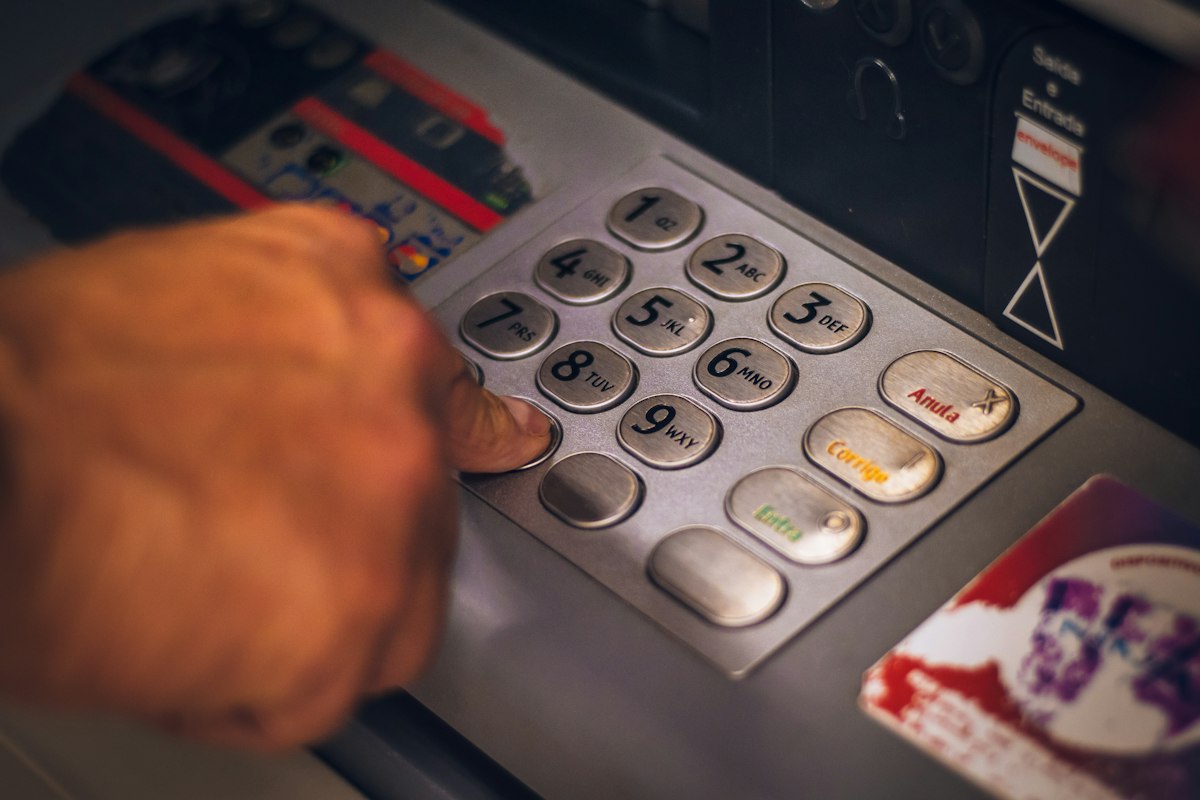
Why Traditional Bank Cards Are Costing You a Fortune Abroad
If you've ever used a standard bank card abroad and noticed mysterious fees eating into your budget, you're not alone. Traditional banks routinely charge 2–3.5% foreign transaction fees on every purchase, plus fixed ATM withdrawal fees of €3–8, plus unfavorable exchange rates with hidden margins built in.
Here's what a two-week trip to Japan costs you in bank fees alone:
- Traditional bank card (3% FX + €5 ATM fees): €45–60 lost
- Revolut Premium: €0 lost (plus travel insurance included)
- Wise: ~€6 lost (at 0.42% mid-market rate)
Over the course of a year with multiple trips, the difference can reach €200–500 — enough for another flight.
This guide covers 15 alternative financial services for travelers: their real fees, availability across Europe, security features, tax reporting obligations, and exactly which ones work best for which travel scenarios in 2027.
Services Covered in This Guide
We analyze in detail: Revolut, Wise, N26, Monese, Paysera, Bunq, Vivid Money, Curve, Skrill, Neteller, Payoneer, and crypto cards from Bybit, WhiteBIT Nova, Crypto.com, and Binance. For each service, we examine fees, country availability, ATM withdrawal limits, FX rates, travel insurance, and regulatory/tax status.
1. Revolut — The Market Leader That Grew Into a Full Bank
From Travel Card to Licensed Bank
Revolut launched in 2015 as a simple no-fee currency card for travelers. By 2027, it has become a fully licensed EU bank (Revolut Bank UAB, licensed by the Bank of Lithuania) with banking services across Europe, investment features, and over 50 million customers globally. This regulatory upgrade is significant: unlike electronic money institutions, Revolut Bank deposits are protected up to €100,000 per customer through the Lithuanian Deposit and Investment Insurance scheme.
Revolut Plans and Fees (2026-2027 Europe)
| Plan | Monthly Fee | FX Rate | Free ATM Limit/Month | ATM After Limit | Weekend Surcharge |
|---|---|---|---|---|---|
| Standard | Free | 0% (up to €1,000/mo, then 0.5%) | €200 (5 withdrawals) | 2% (min. €0.50) | 0.5–1% |
| Plus | €3.99 | 0% (up to €3,000/mo) | €400 | 2% | 0% |
| Premium | €7.99 | 0% unlimited | €600 | 0% | 0% |
| Metal | €14.99 | 0% unlimited | €800 | 0% | 0% |
| Ultra | €45 | 0% unlimited | Unlimited | 0% | 0% |
Note: Exact limits and prices vary by country and can be updated. Always verify current fees in the Revolut app.
The Weekend Surcharge Explained
Revolut Standard and Plus apply a 0.5–1% markup on FX conversions during weekends (Saturday and Sunday) when interbank currency markets are closed. On Premium, Metal, and Ultra plans, this surcharge doesn't apply. If you're a frequent weekend traveler, upgrading to Premium pays for itself quickly.
What's Included in Premium and Metal Plans
Premium (€7.99/month):
- Unlimited fee-free currency exchange (any day)
- Up to €600 fee-free ATM withdrawals monthly
- Travel medical insurance (up to €10M coverage)
- Baggage, flight delay, and cancellation insurance
- Disposable virtual cards for secure online shopping
- Priority customer support
Metal (€14.99/month):
- Everything in Premium
- Up to €800 fee-free ATM withdrawals monthly
- LoungeKey airport lounge access (2 visits/year included)
- 1% cashback on card spending
- Metal card (physical stainless steel card)
- Concierge service
Revolut for Frequent Travelers: The Math
A single travel insurance premium from a traditional insurer typically costs €40–80 for a two-week trip. At €7.99/month for Revolut Premium, you're getting continuous travel insurance coverage plus zero FX fees plus free ATM withdrawals — the value proposition is clear for anyone traveling more than 2–3 times per year.
2. Wise (TransferWise) — The Most Transparent Fees in the Industry
The Mid-Market Rate Promise
Wise has built its reputation on a single principle: use the real mid-market exchange rate (the one you see on Google or XE.com) and charge a transparent, upfront percentage fee. No hidden margins in the exchange rate. No surprise fees buried in terms and conditions.
Wise Fees for Travelers (2026)
| Operation | Fee |
|---|---|
| Account opening | Free |
| Physical Visa/Mastercard | Free (one-time) |
| Payments in held currencies | 0% |
| EUR to USD conversion | ~0.42% |
| EUR to GBP conversion | ~0.37% |
| EUR to JPY conversion | ~0.47% |
| EUR to THB (Thailand Baht) | ~0.59% |
| Exotic currencies | 0.6–2% |
| ATM withdrawals (first 2/month, up to €200) | Free |
| ATM withdrawals after limit | €0.50 + 1.75% |
| Weekend conversion surcharge | None |
Wise Multi-Currency Account
Beyond the travel card, Wise offers a true multi-currency account. You can hold balances in 50+ currencies simultaneously and have local account details (like a real local bank account number) in EUR, USD, GBP, AUD, NZD, SGD, and more. This means:
- Receive your US client's payment to a US bank account number (without paying US wire transfer fees)
- Receive GBP payments to a UK sort code and account number
- Spend from the right currency account automatically, with no conversion
For freelancers, digital nomads, and international business owners, this multi-currency infrastructure is genuinely transformative.
Wise vs. Revolut: Which Is Better?
Use Wise when:
- You need guaranteed mid-market rates with no surprises
- You're making large individual transfers (the 0.42% is predictable)
- You need a local account number in multiple countries
- You travel on weekends and want to avoid Revolut's weekend surcharge (Wise has none)
Use Revolut Premium when:
- You want 0% FX with no percentage at all
- You want travel insurance included
- You travel frequently and use ATMs regularly
- You want one app for banking, investing, and crypto
Best strategy: Have both. Both are free to open. Use Wise as your mid-market benchmark and Revolut for everyday travel spending.
3. N26 — Germany's Digital Bank (Note: Unavailable in Some Eastern European Countries)
N26 Plans and Features (2026)
N26 is a fully licensed German bank (regulated by BaFin) offering clean digital banking with competitive plans.
| Plan | Monthly Fee | FX Payments | ATM Free/Month | Travel Insurance |
|---|---|---|---|---|
| Standard | Free | 0% | 2 withdrawals | None |
| Smart | €4.90 | 0% | 3 withdrawals | None |
| Go | €9.90 | 0% | 5 withdrawals | Included ✅ |
| Metal | €16.90 | 0% | 8 withdrawals | Included ✅ |
N26 Go and Metal include comprehensive travel insurance: medical coverage up to €1M, trip cancellation up to €10,000, baggage protection up to €2,000, and flight delay compensation up to €500.
Important note on availability: N26 is not available to residents of Romania, Bulgaria, Hungary, Croatia, and Czech Republic as of 2026. If you live in one of these countries, N26 is not an option directly. It's available in 24 European countries including Germany, Austria, France, Spain, Italy, the Netherlands, Belgium, and more.
N26 Standard: When Free ATM Withdrawals Matter
For users in Austria and Spain, N26 offers unlimited free ATM withdrawals on all plans — a major advantage over other services. In Italy, Smart, Go, and Metal offer unlimited free ATM withdrawals. This market-specific advantage makes N26 an excellent choice for residents of or frequent travelers to these countries.
4. Monese — Banking Without a Permanent Address
Who Is Monese For?
Monese was designed specifically for expats, immigrants, and people without a permanent local address in their country of residence. Opening a standard bank account in a new country often requires proof of address — a utility bill, a lease agreement — which you might not have in your first weeks or months. Monese bypasses this requirement entirely.
Monese Plans (2026, in GBP — also available in EUR/RON)
| Plan | Monthly Fee | FX Rate | ATM Fee |
|---|---|---|---|
| Pay As You Go | Free | Variable (around 2% over mid-rate on free plan) | 2% per withdrawal |
| Everyday | £4.95 | Better rates | Some free withdrawals |
| Premium | £14.95 | Near mid-market | Generous free allowance |
Available in Romania: Yes. Monese offers Romanian IBAN accounts (RO…) for users who choose RON as their primary currency. This makes it easy to receive salary payments or bank transfers from Romania while living abroad.
Key Advantages of Monese
The ability to open an account in minutes, using just a passport or ID, with no address proof required, makes Monese the go-to service for people in transition — newly arrived in a new country, waiting for a lease to start, or working seasonally across multiple countries.
Monese supports account cards in RON, EUR, and GBP — useful for Romanians working in the UK or Eurozone without wanting to maintain multiple separate bank accounts.
Limitations
Monese is an electronic money institution (EMI), not a licensed bank. Your funds are protected through safeguarding (held in separate ring-fenced accounts at tier-1 banks) but are not covered by a government deposit guarantee scheme. For everyday spending this distinction rarely matters, but for holding larger savings, a licensed bank (Revolut Bank, N26, Bunq) is safer.
5. Paysera — The Lithuanian Fintech with Deep European Roots
What Is Paysera
Paysera is a Lithuanian payment institution founded in 2004, one of the first licensed payment services in the Baltic states. It offers personal and business accounts with European IBANs (LT…), SEPA transfers, and a Visa debit card for everyday spending.
Why Paysera Matters
Paysera has quietly built one of the most comprehensive payment infrastructure networks in Eastern Europe. In Romania specifically, Paysera has integrations with five major banks (Banca Transilvania, ING, Raiffeisen, UniCredit, Libra Bank) for instant payment initiation — meaning you can pay from your Romanian bank account to Paysera's checkout system in seconds.
Paysera Fees Summary
- Account opening: Free
- Visa card issuance: Small fee (~€1–3)
- EUR payments: Free
- Non-EUR payments: ~1–1.5% conversion fee
- SEPA transfers received: Free
- SEPA transfers sent: Free or under €0.10
- International transfers: Variable (depends on currency)
- ATM withdrawals: ~€1 flat fee or free within limits
Best use case for Paysera: Freelancers and micro-businesses dealing with European clients who need a low-cost European IBAN for receiving SEPA payments. It's not the flashiest travel card, but it's reliable and deeply integrated into the European payment ecosystem.
6. Bunq — The Sustainable Dutch Bank
Why Bunq is Different
Bunq is a fully licensed Dutch bank (regulated by DNB — De Nederlandsche Bank) with a strong environmental focus. For every €100 spent by its users, Bunq plants a tree through reforestation partnerships. The bank publishes audited reports on this commitment.
Bunq Plans (2026)
| Plan | Monthly Fee | FX | ATM | Accounts |
|---|---|---|---|---|
| Easy Money Light | €2.99 | Standard | Limited | 3 sub-accounts |
| Easy Money | €4.99 | 0% in Eurozone | Moderate | 25 sub-accounts |
| Easy Green | €17.99 | 0% anywhere | Generous | 25 sub-accounts |
Deposits at Bunq are protected up to €100,000 through the Dutch Deposit Guarantee Scheme (DGS) — one of the most robust in Europe.
The 25 sub-accounts feature is genuinely useful for budgeting: create separate "envelopes" for rent, groceries, vacation, emergency fund — all visible in one app, all with their own IBAN for automatic deposits.
Bunq Metal Card
Bunq offers a metal card on higher-tier plans — a physical distinction that also provides better card durability for heavy travelers who go through plastic cards quickly.
Available in Romania: Yes, Bunq accepts Romanian residents. Account opening requires a video verification call.
7. Vivid Money — Cashback Paid in Stocks and ETFs
A Unique Value Proposition
Vivid Money (Germany) partners with Solarisbank to offer a Visa debit card with an unusual twist: cashback is paid in fractional shares of stocks or ETFs rather than cash or points. Want your coffee cashback in Apple shares? You can do that.
Vivid Plans (2026)
| Plan | Monthly Fee | FX | ATM Limit | Cashback |
|---|---|---|---|---|
| Standard | Free | 0% (up to €200/month) | €200/month | Up to 10% in select categories |
| Prime | €9.90 | 0% unlimited | €1,000/month | Up to 25% in select categories |
The rotating cashback categories change monthly — sometimes featuring travel booking platforms, airlines, or hotel chains, which can be valuable for frequent travelers.
Available in Romania: Yes.
8. Curve — The One Card That Controls All Your Cards
What Curve Does
Curve is not a bank or even a traditional payment institution. It's a card aggregator — a single Mastercard that sits on top of all your other cards. When you pay with Curve, the charge is forwarded to whichever underlying card you've selected in the app.
Why This Matters for Travelers
Go Back in Time: Curve's most distinctive feature lets you retroactively move a completed transaction from one card to another — up to 30 days on the free plan, up to 90 days on paid plans. Paid the wrong card for a business expense? Move it after the fact.
Anti-Embarrassment Mode: If your chosen card is declined (insufficient funds, spending limit reached), Curve automatically switches to your backup card without any visible failure at the checkout.
FX rates with Curve:
| Plan | Monthly Fee | FX Rate | Weekend Surcharge |
|---|---|---|---|
| Free | Free | 0% (up to £500/month on weekdays) | 0.5% |
| Curve Air | £4.99 | 0% (up to £1,000/month) | 0% |
| Curve Black | £9.99 | 0% unlimited | 0% |
| Curve Metal | £14.99 | 0% unlimited + lounge access | 0% |
Limitation: Curve is a wrapper — it doesn't hold your money. You need at least one underlying card/account for it to work. It also doesn't work with American Express in some regions.
9. Skrill and Neteller — Specialized Digital Wallets
When to Use Skrill
Skrill (Paysafe group) is a digital wallet primarily used for online gambling, poker sites, forex trading platforms, and international marketplaces that accept it. It offers a prepaid Mastercard for physical use.
Skrill Fees:
- Basic account: Free
- Mastercard issuance: €10 + €1.80/month maintenance
- FX conversion: 3.99%
- ATM withdrawals: €1.80 + 1.75%
- Inactivity fee: €5/month after 12 months without activity
Verdict: Skrill is too expensive for general travel use (3.99% FX is worse than a traditional bank card). It's the right tool when you specifically need to fund a poker site, an online casino, or a trading platform that accepts Skrill but not standard bank cards.
Neteller
Same Paysafe group, similar fee structure. More popular in the forex trading community. Same verdict: specialized use case, not a general travel card.
10. Payoneer — The Freelancer's Global Payment Account
Who Uses Payoneer
Payoneer is an American financial service designed specifically for freelancers, agencies, and digital entrepreneurs receiving cross-border payments. It has direct integration with Upwork, Fiverr, Airbnb, Amazon Marketplace, Google AdSense, and dozens more platforms.
How Payoneer Works
When you connect your Payoneer account to Upwork (for example), Upwork deposits your earnings directly to Payoneer at essentially 0% fee (or a small platform-side fee). You can then:
- Pay other freelancers (0% if they also use Payoneer)
- Withdraw to your local bank account (usually 1–2% fee)
- Use the Payoneer Mastercard directly
Payoneer Fees (2026)
| Operation | Fee |
|---|---|
| Account opening | Free |
| Mastercard (issued automatically) | Free |
| Receiving payments from platforms | 0–1% |
| Receiving from other Payoneer accounts | 0% |
| Receiving from external bank accounts | 3% |
| ATM withdrawals | $3.15 |
| FX conversion (ATM in local currency) | 2% |
| Annual maintenance fee | $29.95 (waived if you receive payments) |
Available globally, including Romania, Eastern Europe, and most of the world (excluding a few sanctioned countries).
11. Crypto Cards — Spending Your Digital Assets
How Crypto Cards Work
Crypto debit cards link to a cryptocurrency wallet or exchange account. When you make a purchase, your crypto is instantly converted to fiat currency at the current market rate, and the merchant receives their local currency. You're essentially spending crypto without the merchant needing to know or accept crypto directly.
The Tax Implication Most People Miss
In most EU jurisdictions (including Germany, France, Spain, and Romania under proposed crypto tax frameworks), each conversion of crypto to fiat is a taxable event — even if it happens automatically at the point of sale. If you bought Bitcoin at €20,000 and spend it when it's worth €60,000, you technically realized a €40,000 capital gain at that moment, even though it was just a coffee purchase.
This is a critical consideration. Some users are unaware that frequent crypto card spending creates dozens or hundreds of small taxable events throughout the year. Check your country's specific crypto tax rules before heavy use.
Bybit Card (Mastercard) — Available in Romania and EEA ✅
Bybit Card is a Mastercard issued for residents of the European Economic Area, including Romania.
| Feature | Detail |
|---|---|
| Availability | EEA, including Romania |
| Monthly fee | None |
| Crypto-to-fiat conversion fee | 0.9% conversion + 0.5% FX fee |
| ATM withdrawals | 2% (minimum $1) |
| Cashback rate | Up to 10% |
| Cashback currency | BIT token (Bybit's native token) |
| New user bonus | 10% cashback on dining, travel, fashion for first 30 days (up to 120 USDT) |
| Virtual card | Available instantly |
| Physical card | Standard shipping fee applies |
The Bybit Card advantage: The 10% new-user cashback offer is genuinely valuable if you're already a Bybit user and hold BIT tokens or plan to trade on the platform. The 0% monthly fee makes it free to hold as a secondary card.
The Bybit Card limitation: Cashback is paid in BIT token, not cash. If you don't trade on Bybit, BIT token's value and liquidity depend on market conditions. For most users, this is better treated as a bonus rather than a primary financial benefit.
WhiteBIT Nova (Visa) — Available in EU/EEA ✅
WhiteBIT Nova is the Visa card of the WhiteBIT cryptocurrency exchange.
| Feature | Detail |
|---|---|
| Availability | EU/EEA |
| FX fee | Up to 1% |
| Cashback | Up to 10% (capped at €25/month) |
| Cashback currency | WBT token |
| ATM fee | Standard |
Similar concept to Bybit Card. The €25/month cashback cap makes it less attractive for high spenders but sufficient for occasional use.
Crypto.com Visa Card
Crypto.com offers multiple card tiers based on how much CRO (their native token) you stake. The highest tier offers 5% cashback in CRO plus airport lounge access and other perks — but requires staking tens of thousands of dollars worth of CRO, which carries significant market risk.
Availability in Romania: Uncertain as of late 2026 — verify directly on crypto.com before applying.
Binance Card (Visa)
Binance Card offers up to 8% cashback in BNB token on eligible purchases. Availability in specific European countries changes frequently due to regulatory developments. Check current availability at binance.com/en/cards.
Crypto Cards: The Bottom Line
Crypto cards work best as secondary cards for existing crypto holders who want to put their digital assets to use without manual transfers. They're not recommended as primary travel cards due to:
- Conversion fees at every purchase (0.9–1.5%)
- Cashback paid in volatile tokens, not cash
- Geographic availability that changes unpredictably
- Tax complexity from multiple small conversion events
- Custodial risk — your crypto sits on the exchange
12. CRS (Common Reporting Standard): What Governments Know About Your Fintech Accounts
The Global Tax Transparency Network
The Common Reporting Standard (CRS) is an OECD framework for automatic exchange of financial account information between over 120 countries. All EU member states, the UK, Switzerland, and most developed economies participate.
This means your bank or fintech in another EU country is legally required to report your account details to their local tax authority, which then forwards the data to your country of tax residence.
What Gets Reported to Your Home Tax Authority
For each account that qualifies for reporting, the financial institution sends:
- Full name and address
- Tax identification number (TIN/equivalent)
- Account number
- Year-end balance (or closing balance if closed during the year)
- Gross income received: interest, dividends, proceeds from asset sales
What is NOT reported: Your everyday spending (card payments for groceries, restaurants, hotels). CRS targets investment income and account balances, not consumption.
CRS Reporting Status by Service (European Users)
| Service | CRS Participant | Notes |
|---|---|---|
| Revolut Bank UAB | Yes (Lithuania) | Full EU bank, mandatory CRS |
| Wise | Yes (Belgium) | EMI, subject to CRS |
| N26 | Yes (Germany) | Full EU bank, mandatory CRS |
| Monese | Yes (UK) | EMI, UK-EU CRS exchange |
| Paysera | Yes (Lithuania) | Payment institution, CRS applicable |
| Bunq | Yes (Netherlands) | Full EU bank, mandatory CRS |
| Skrill/Neteller | Yes (UK) | EMI, subject to CRS |
| Bybit Card | Varies | Exchange domicile varies; MiCA increasing obligations |
| WhiteBIT Nova | Varies | Similar to Bybit |
What This Means in Practice
If you have a Revolut account with a €15,000 year-end balance and have received €2,000 in interest or investment income, your local tax authority may already know about this. If you haven't declared this income on your tax return, you're at risk of investigation.
CRS has dramatically reduced the ability to hold undeclared income in foreign fintech accounts. The assumption that "it's outside the country, they can't see it" is no longer accurate for EU residents.
MiCA and Crypto Reporting (2024-2027)
The EU's Markets in Crypto-Assets (MiCA) regulation, implemented from 2024-2025, progressively increases reporting requirements for crypto exchanges operating in the EU. By 2026-2027:
- EU-licensed crypto exchanges must report customer transactions exceeding €1,000 aggregated per year to tax authorities
- DAC8 (the EU directive on crypto asset information reporting) extends CRS principles to crypto exchanges
- Bybit, Crypto.com, and other exchanges with EU licenses are subject to these reporting obligations
The notion that crypto is "invisible to the taxman" is increasingly outdated for EU residents.
13. Ultimate Fee Comparison: What a 2-Week Japan Trip Costs Per Card
Scenario: 2 weeks in Tokyo. Total spending: €1,500 (€1,200 on card payments + €300 in cash ATM withdrawals in yen).
| Card | FX fees on €1,200 | ATM fees on €300 | Total cost | Per-day cost |
|---|---|---|---|---|
| Traditional EU bank card (3%) | €36 | €15–25 | €51–61 | €3.64–4.36 |
| Revolut Standard (weekdays only) | €0 | €2 (2% on €100 over limit) | €2 | €0.14 |
| Revolut Standard (mixed weekday/weekend) | €6–12 | €2 | €8–14 | €0.57–1.00 |
| Revolut Premium | €0 | €0 | €0 (+€7.99/month subscription) | €0 |
| Wise | €5.04 (0.42%) | €0 (within €200 free limit) | €5.04 | €0.36 |
| Monese Free Plan | ~€24 | €6 (2% × €300) | ~€30 | €2.14 |
| Bybit Card (crypto) | €16.20 (0.9%+0.5%) | €6 (2%) | €22.20 | €1.59 |
| N26 Standard (not in Romania) | €0 payments, €5.10 ATM (1.7%) | €4 (2 free, then €2 each) | ~€9.10 | €0.65 |
| Skrill | €47.88 (3.99%) | €7.30 (€1.80+1.75%) | €55.18 | €3.94 |
Winner for cost: Revolut Premium (€0 on trip, plus insurance coverage). Best free-tier option: Revolut Standard on weekdays, or Wise for guaranteed mid-market rates.
14. Best Card for Each Travel Scenario
Business Travelers (10+ flights/year)
Revolut Metal (€14.99/month) — The math works out clearly. You get continuous travel insurance (medical, cancellation, baggage), 2 LoungeKey lounge visits per year, unlimited fee-free ATM withdrawals, and 1% cashback. At €14.99/month vs. typical travel insurance premiums of €40–80/trip, Metal pays for itself after 2 trips.
Budget Backpackers
Wise + Revolut Standard (both free) — Carry both. Use Revolut on weekdays for 0% FX. Switch to Wise on weekends to avoid the Revolut weekend surcharge. Both are free, and together they cover every scenario.
Digital Nomads and Freelancers
Payoneer (for receiving platform income) + Wise (multi-currency account with local account numbers) + Revolut (everyday spending). This combination provides the full infrastructure for a location-independent professional.
Expats and New Arrivals in a Foreign Country
Monese — Opens without proof of address, available immediately, with IBAN options in RON, EUR, or GBP. Perfect as a bridge account while waiting for a traditional bank account to be approved.
Crypto Investors Who Want to Spend Their Holdings
Bybit Card as secondary — instant spending from your crypto portfolio without manual sell orders, with up to 10% cashback in the first month. Keep a traditional card as backup.
Travelers Who Want Advanced Budgeting
Bunq (up to 25 sub-accounts with individual IBANs) or Revolut (Vaults + grouped spending insights). Both allow envelope-style budgeting with real bank accounts.
Eurozone-Only Travelers
Bunq Easy Money (€4.99/month) provides 0% FX within the Eurozone, up to 25 sub-accounts, and deposit guarantee protection — an excellent all-in-one solution if you mostly travel within Europe.
15. Security: What Happens When Your Card Is Lost or Stolen
Instant Card Blocking — The Game-Changer
Every major fintech (Revolut, Wise, N26, Monese, Bunq, Vivid) lets you freeze your card in seconds from the app. No hold music, no waiting in a phone queue, no explaining to a customer service agent. One tap, card frozen. Another tap, card unfrozen.
This functionality alone is a compelling reason to switch from a traditional bank card as your primary travel card.
Steps If Your Card Is Stolen Abroad
- Open your app → freeze the card immediately (even if you're not 100% sure)
- Review recent transactions for any unauthorized use
- Report unauthorized transactions within the app
- Order a replacement card (3–10 days standard, 1–2 days express on higher plans)
- For Revolut Premium/Metal users: continue using the virtual card while waiting for the physical replacement
Deposit Protection Summary
| Service | Type | Deposit Protection |
|---|---|---|
| Revolut Bank | Licensed EU Bank | Up to €100,000 (Lithuanian DGS) |
| N26 | Licensed EU Bank | Up to €100,000 (German DGS) |
| Bunq | Licensed EU Bank | Up to €100,000 (Dutch DGS) |
| Wise | EMI (Belgium) | Safeguarding (not DGS) |
| Monese | EMI (UK) | Safeguarding (not DGS) |
| Paysera | Payment Institution (Lithuania) | Safeguarding |
| Skrill/Neteller | EMI (UK) | Safeguarding |
| Bybit Card | Crypto Exchange | No banking protection |
For everyday travel spending, the distinction between DGS and safeguarding matters little — you're not keeping your life savings in a travel card. For holding larger amounts, prefer licensed banks (Revolut, N26, Bunq).
16. How to Open Each Account: Step-by-Step
Revolut (10 minutes)
- Download the Revolut app (iOS or Android)
- Enter your phone number and email
- Verify identity with passport or national ID (photos + live selfie)
- Choose your plan (Standard is free; upgrade anytime)
- Order your physical card (€4.99–8.99 delivery fee; free on some plans)
- Activate the card in the app upon delivery
Wise (15 minutes)
- Go to wise.com or download the app
- Create an account with your email
- Complete identity verification (passport or national ID)
- Select which currency accounts you want to hold
- Order your free Visa card
- Fund via SEPA bank transfer from your existing account
Monese (5 minutes)
- Download the Monese app
- Enter your phone number
- Verify identity with passport or national ID (no address proof needed)
- Choose your currency (EUR, GBP, or RON)
- Virtual card available instantly; physical card in 5–10 days
Bybit Card
- Create a Bybit account at bybit.com
- Complete KYC verification (passport + selfie)
- Navigate to Card section in the app
- Apply for virtual or physical card
- Fund your Bybit account with crypto or fiat
- Enable the card and set spending limits
17. 10 Common Mistakes Travelers Make With Fintech Cards
1. Accepting Dynamic Currency Conversion (DCC) When an ATM or POS terminal offers to charge you "in your home currency," always decline. DCC adds an invisible 3–8% markup by the terminal operator, on top of your card's own fees.
2. Making Frequent Small ATM Withdrawals Every ATM withdrawal counts against your monthly limit or incurs a fixed fee. Withdraw larger amounts less frequently to minimize per-transaction costs.
3. Weekend Currency Conversion on Revolut Standard The 0.5–1% weekend surcharge is small but adds up. For large conversions, wait until Monday morning or convert Thursday/Friday afternoon.
4. Using a Non-Bank ATM Private ATMs (in convenience stores, tourist areas, bars) often charge additional fees regardless of your card. Always prefer bank-branded ATMs.
5. Topping Up via Credit Card Several fintech apps (including Revolut) treat top-ups from a credit card as a "cash advance" on your credit card, triggering the credit card's cash advance fee (typically 2–5%). Always fund via bank transfer.
6. Ignoring the Inactivity Fee Skrill and Neteller charge monthly inactivity fees after 12 months of no use. If you signed up for one of these for a specific purpose, make a small transaction annually to keep the account active.
7. Not Enabling 3D Secure Most fintech cards offer 3D Secure (additional authentication for online payments). Enable it for all online transactions to protect against unauthorized use.
8. Assuming Crypto Cards Work Everywhere Bybit Card and other crypto cards sometimes face merchant-side restrictions. Always carry a traditional card as backup.
9. Not Declaring Investment Income CRS means your foreign fintech account income may be reported to your local tax authority. Undeclared interest, dividends, or capital gains from investments held in fintech accounts can trigger investigations.
10. Carrying Only One Card Technology fails. Cards get demagnetized. Apps crash during critical moments. Always travel with at least two different cards, ideally from different networks (one Visa, one Mastercard).
Frequently Asked Questions
Is Revolut safe for keeping larger amounts of money?
Yes, up to €100,000, which is covered by the Lithuanian Deposit Guarantee Scheme (the EU equivalent of FDIC in the US). Above €100,000, you should diversify across multiple institutions. For everyday travel, this limit is more than sufficient.
Does Wise or Revolut give better exchange rates?
It depends on the day and currency. Revolut Premium gives 0% FX with a small markup built into the interbank rate. Wise charges a transparent percentage (0.37–2% depending on currency) but uses the pure mid-market rate. For common currency pairs (EUR/USD/GBP), the difference is typically under 0.3%. Wise's weekend consistency (no surcharge) is an advantage for weekend travelers.
Can I use Revolut as my only bank account?
Technically yes for most day-to-day needs, but not recommended as your ONLY account. Revolut lacks physical branches, may not meet official bank statement requirements of some employers or government agencies, and depends on your smartphone being functional. Keep at least one traditional bank account for formal documentation purposes.
What happens to my Wise or Revolut account if the company goes bankrupt?
For Revolut (licensed bank): up to €100,000 is protected by deposit guarantee. For Wise (EMI): funds held in safeguarding accounts at tier-1 banks are ring-fenced from Wise's own assets — in bankruptcy, they should be returned to customers. Neither scenario has occurred for these major providers, but the legal protections differ.
How do I know if I need to pay taxes on my fintech account activity?
If you receive income (interest, dividends, freelance payments, investment gains) in any fintech account, you likely need to report it in your country of tax residence regardless of where the account is held. CRS means your local tax authority may already be aware. Consult a local tax advisor for your specific situation.
Are crypto cards legal to use in the EU?
Yes, crypto cards are legal in the EU. Spending crypto is legal. The tax treatment (each spend may be a taxable disposal) is what creates complexity, not the legality of the act itself. Ensure you're tracking your crypto spending for tax purposes.
What's the best card for spending in Japan specifically?
Japan still relies heavily on cash. Carry a card with low ATM fees (Wise for first 2 withdrawals/month free, or Revolut within your free limit) and plan to withdraw larger amounts at once from 7-Eleven ATMs (which are reliable and accept most foreign cards).
Can I open multiple fintech accounts at the same time?
Yes, entirely legal and common. Many travelers hold 3–5 fintech accounts for different purposes: Revolut for everyday spending, Wise for transfers and mid-market rates, Monese as a European IBAN, Payoneer for client payments. There's no prohibition on having multiple accounts.
Does Bunq actually plant trees?
Yes, with audited reports. The commitment is real and independently verified — it's not just marketing language. Bunq publishes annual sustainability reports with specific tree-planting numbers and partner organizations.
What's the best card for long-term travel (6+ months)?
Revolut Premium covers you with continuous travel insurance, 0% FX, generous ATM limits, and investment features — all in one app. For extended stays, supplement with Wise for a local account number if you need to receive local payments, and Payoneer if you're earning remotely.
All fee information is accurate as of November 2026. Financial service terms change frequently — always verify current fees directly with each provider before making decisions. This guide may contain affiliate links; we receive a small commission on account activations at no additional cost to you.
For tax advice specific to your situation, consult a licensed tax advisor in your country of residence.
Some links on this page are affiliate links. If you book through them, we may earn a commission at no extra cost to you. Our recommendations stay honest.