
AC Milan Football Tourism Guide: San Siro in Red and Black
AC Milan Football Tourism Guide: Red and Black at the Cathedral
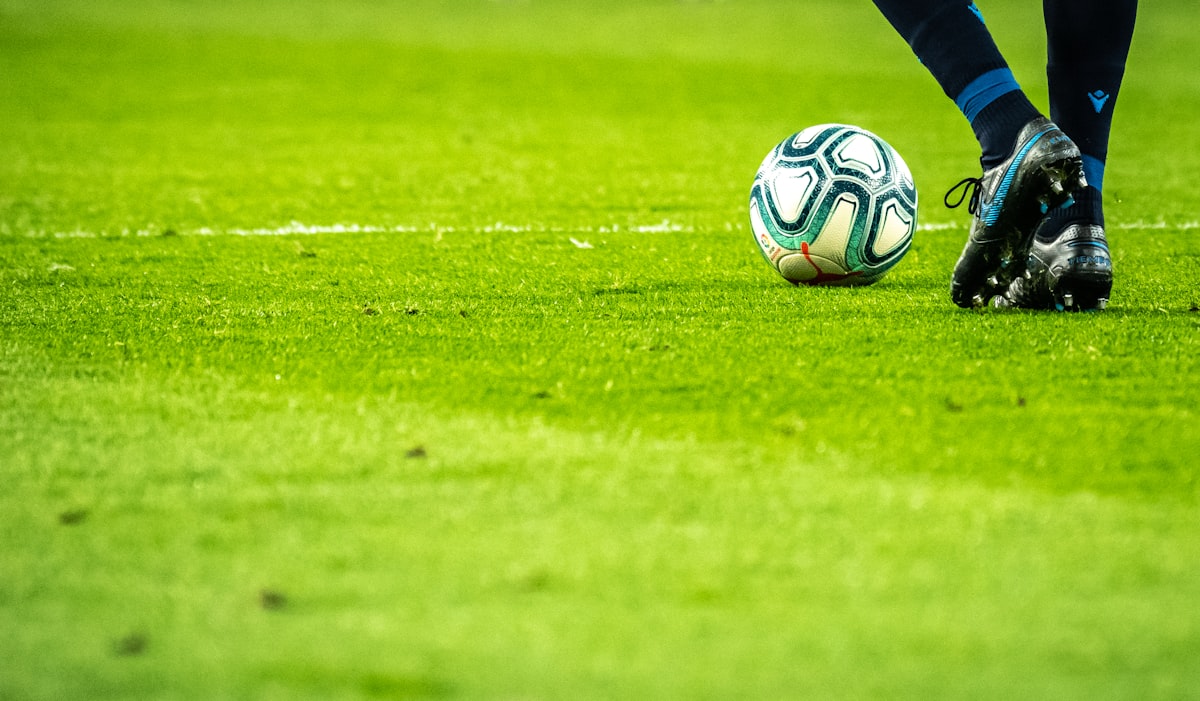
San Siro — Stadio Giuseppe Meazza — the most storied stadium in Italian football
Seven UEFA Champions League trophies. More European titles than any other Italian club and more than nearly any club on the planet. A shirt — red and black, simple, unmistakable — recognised from São Paulo to Seoul. Names that echo across five decades: Maldini, Van Basten, Gullit, Baresi, Kaká, Pirlo, Shevchenko. This is AC Milan: Il Diavolo, the club of the devil, and one of the great institutions of European sport.
Watching AC Milan at San Siro is not simply attending a football match. It is an encounter with a history that has shaped the game globally — the Dutch revolutionaries who invented modern pressing football, the defensive masters who made Serie A the world's best league, the exquisite midfield architect who made possession look like poetry. This guide is for the football tourist who wants to experience all of it.
AC Milan: Club History and Identity
The Foundation — 1899
Associazione Calcio Milan was founded on 16 December 1899 by a group of British and Italian sports enthusiasts led by Herbert Kilpin (a Scottish butcher's son turned professional footballer) and Alfred Edwards. The club colours were established almost instinctively: red for the devil, black for the fear that devil inspires in opponents. The nickname Il Diavolo has stuck for 125 years.
Critically, the founding of Milan predates Inter by nine years. When a group of Milan members broke away in 1908 over disagreements about fielding foreign players, they founded Internazionale — and the most intense city rivalry in Italian football was born.
Herbert Kilpin and the Early Years (1900–1907)
Herbert Kilpin was simultaneously founder, captain and star player. Under his leadership, Milan won three national championships (1901, 1906, 1907) and established the winning culture that persists to this day. Kilpin is buried in Milan; his grave in the Monumentale cemetery is a place of quiet pilgrimage for dedicated milanisti.
The Swedish Trio — Gre-No-Li (1949–1956)
The post-war rebuild brought three Swedish internationals who transformed Italian football: Gunnar Gren, Gunnar Nordahl and Nils Liedholm — collectively Gre-No-Li. Nordahl remains the all-time leading scorer in AC Milan's history with 210 Serie A goals.
The Swedish trio won back-to-back championships (1951, 1955) and introduced a style of intelligent, technical football that influenced how Milan teams would play for generations.
European Pioneers — The First Champions (1963–1969)
Under coach Nereo Rocco, Milan won their first European Cup in 1963, defeating Eusébio's Benfica 2–1 at Wembley. The team featured Cesare Maldini (father of Paolo), Giovanni Trapattoni, and the elegantly creative Gianni Rivera.
1969: A second European Cup, won 4–1 against Ajax in Madrid. Milan had become a genuine European superpower — decades before the term was commonly used.
The Dutch Revolution — Sacchi, Van Basten, Gullit, Rijkaard (1987–1994)
Silvio Berlusconi bought the club in 1986 and appointed Arrigo Sacchi as manager — a coach with no experience at the top level who had never played professional football. The Italian establishment was sceptical. Within three years, Sacchi's Milan had won two consecutive European Cups and changed how football was played everywhere.
The Dutch trio:
- Marco van Basten — three Ballon d'Or awards (1988, 1989, 1992), arguably the greatest complete striker in the history of European football
- Ruud Gullit — 1987 Ballon d'Or, a physical and technical force unlike anything Italian football had seen
- Frank Rijkaard — the supreme box-to-box midfielder, unplayable when at his peak
Supporting cast: Paolo Maldini, Franco Baresi, Carlo Ancelotti, Alessandro Costacurta, Evani. A team of all-time greats.
1989 Champions League final: 4–0 against Steaua București in the semi-final, then 4–0 against Barcelona in the final at Camp Nou. Not a single goal conceded in the entirety of the knock-out phase. The most complete team performance in the history of the competition to that point.
1990 Champions League final: 1–0 against Benfica. Back-to-back.
1994 Champions League final: A 4–0 demolition of Johan Cruyff's Barcelona — widely considered the single most dominant performance in Champions League final history. Baresi and Costacurta barely broke a sweat.
Capello's Invincibles (1991–1996)
Fabio Capello succeeded Sacchi and built perhaps the most mechanically efficient domestic team in Italian football history. The 1991–92 season: Serie A champions without losing a single match. The 1993–94 season: champions again, conceding only 15 goals in 34 matches. Baresi and Costacurta as a defensive pairing have never been surpassed in Italian football.
Four Serie A titles in five seasons. A machine.
Kaká, Pirlo, Shevchenko and the 7th European Title (2002–2007)
Under Carlo Ancelotti (who had played for Sacchi's side two decades earlier), Milan assembled what many consider the finest squad in Serie A history of the 2000s:
- Andrea Pirlo — the regista (deep-lying playmaker), arguably the most aesthetically gifted player in Italian football history; he orchestrated play with a chess grandmaster's vision
- Andriy Shevchenko — 2004 Ballon d'Or, 175 goals for Milan; a striker of lethal speed and clinical precision
- Kaká — 2007 Ballon d'Or; Brazilian elegance at its absolute peak; his semi-final performance against Manchester United in 2007 (destroying United's defence almost singlehandedly) is among the greatest individual Champion League displays ever witnessed
- Rui Costa, Seedorf, Gattuso — supporting cast that would be the best player at most other clubs
2003 Champions League final: Played at their own stadium — San Siro. Against Juventus. Won on penalties. Goalkeeper Dida saved three penalties. Hysteria in Milan.
2007 Champions League final (Athens): 2–1 against Liverpool — perfect revenge for the Istanbul catastrophe of 2005 (leading 3–0 at half-time, losing on penalties). Inzaghi scored twice.
The Rebirth (2018–Present)
The years between 2007 and 2022 brought pain: the sale of Kaká and Shevchenko, financial troubles, failure to qualify for the Champions League multiple seasons. Club ownership changed from Berlusconi to Chinese investors to Elliott Management (2018) to RedBird Capital Partners (2022).
The recovery began with a squad built intelligently around younger talent: Theo Hernandez (left back of extraordinary attacking quality), Mike Maignan (outstanding goalkeeper), Rafael Leão (Portuguese forward of extraordinary pace and flair) and Olivier Giroud (veteran striker, decisive in key moments).
Scudetto 2022 — the first league title in 11 years, won on the final day of the season. San Siro was sold out. The city of Milan celebrated in rosoneri red.
AC Milan's Honours Board
| Competition | Titles |
|---|---|
| Serie A (Scudetto) | 19 |
| UEFA Champions League / European Cup | 7 |
| FIFA Club World Cup | 2 |
| UEFA Super Cup | 5 |
| Coppa Italia | 5 |
| Supercoppa Italiana | 8 |
7 Champions League titles place Milan second only to Real Madrid (15) in Europe, ahead of Liverpool (6), Bayern München (6) and Barcelona (5).
San Siro: The Red and Black Cathedral
A Stadium Unlike Any Other
Official name: Stadio Giuseppe Meazza
Capacity: 75,923
Address: Via dei Piccolomini 5, 20151 Milano
Built: 1926, major rebuild for the 1990 World Cup
San Siro's architecture is defined by the eleven cylindrical spiral towers added in the 1990 renovation, which support the third tier of stands while simultaneously becoming the stadium's visual identity. From any approach — by Metro, tram or foot — those towers announce themselves above the Milanese skyline.
The stadium is shared with rivals Inter Milan, making it the only ground in the world hosting two Champions League founding members. But when Milan play at home, Curva Sud — the southern end — fills with rossoneri colour and creates one of the most distinctive atmospheres in world football.
The three rings: The Primo Anello (ground level), Secondo Anello (second tier) and Terzo Anello (highest, steepest tier) create a near-vertical wall of supporters on all four sides. The effect on atmosphere, particularly for big European nights, is staggering.
Getting to San Siro
Metro M5 (Lilla) to San Siro Stadio — the definitive choice. 20–30 minutes from the city centre (Duomo/Cadorna area), the line runs directly to the stadium with increased frequency on match days.
Tram 16 from the city centre — atmospheric and slower (30–45 minutes), passing through working-class Milanese neighbourhoods that give a genuine sense of the city.
Taxi/Uber: €18–25 from Duomo to stadium normally; €25–40 on match days due to congestion.
Driving: Parking available (€15–20) but ill-advised for significant matches — post-match gridlock can trap you for 2 hours. Metro is always the right answer.
Arrival timing: 90 minutes before kick-off for regular Serie A; 2+ hours for Champions League and the Derby della Madonnina.
Buying Tickets: Everything You Need to Know
AC Milan's Nominative Ticket System
Like Inter, Milan uses nominative (personalised) tickets — each ticket is registered to the buyer's name and linked to their national ID document. You will be checked at entry. A ticket in someone else's name is invalid.
Official purchase channels:
- acmilan.com/en/tickets — the club's own ticketing platform. Always the first port of call.
- TicketOne (ticketone.it) — Italy's official secondary marketplace, authorised by the club.
Ticket Prices
| Section | Regular Serie A | Champions League | Derby |
|---|---|---|---|
| Curva Sud (ultras end) | €18–30 | €30–60 | €30–55 |
| Secondo Anello | €35–70 | €55–100 | €65–110 |
| Primo Anello | €55–100 | €80–150 | €100–170 |
| Tribuna Coperta | €80–170 | €120–240 | €150–280 |
| Premium / VIP | €250–500+ | €400–800+ | €400–700+ |
Prices vary significantly by opponent, stage and demand.
When and How to Buy
The Serie A calendar is released in July each year. Mark the dates of home matches you want to attend immediately.
Members of AC Milan Official Membership (€20–40/year via acmilan.com) receive priority ticket access before the general public. For any attractive fixture, membership-tier access is essentially required — public sale for Champions League knock-out matches or derbies can sell out in under 10 minutes.
Practical steps:
- Create an account on acmilan.com well before your planned travel dates
- Purchase a Milan membership for priority access
- Enable all email and app notifications for ticket announcements
- Be online at the exact minute of sale opening
Avoid These Sources
Viagogo, street scalpers (bagarini), unlicensed resellers: All carry significant risk with nominative tickets. A ticket registered to a different name is rejected at the gate — no refund, no entry, no recourse. The Viagogo premium you'd pay for the stress isn't worth it.
Match Day Programme
Pre-Match Atmosphere (3 hours before)
Piazzale Axum transforms on match days into something between a street festival and a communal ritual. Milan fans gather with scarves, flags, chants and beer, building the atmosphere that will reach its peak when the Curva Sud tifo unveils itself at kick-off.
The bars along Via Caprilli and Via dei Piccolomini serve rossoneri crowds for hours before a match. These are genuine local bars, not tourist spots — the crowd is Milanese, the wine is cheap, the panini are perfect.
Milan Store (at the stadium): Opens 3 hours before kick-off on match days. Buy your official scarf or shirt here — not from street vendors. The official merchandise is of completely different quality and authenticity.
Recommended purchases:
- Official sciarpa (scarf): €20–30 — essential match accessory
- Retro shirt (Van Basten, Maldini, Kaká replica): €60–90 — a genuine collector's piece
- Current season shirt: €80–120
Stadium Entry
- Arrive at your designated gate 45 minutes before kick-off minimum — security queues can be substantial
- ID + ticket together at the scanner — the two must match
- What you cannot bring: large bags (over A4 size), bottles, cans, umbrellas, selfie sticks
- Transparent bags up to A4 permitted
- No outside food or drink; concessions are inside
Curva Sud: The Rossoneri Heartbeat
The Curva Sud in full voice is one of European football's great sounds — fuller, more melodic and more traditionally Italian in its supporter culture than some of the more aggressive northern European ultras scenes.
The ultras groups (historically Fossa dei Leoni, Brigate Rossonere, and others) prepare elaborate choreographies (tifo) that require weeks of planning and involve thousands of coloured cards, enormous banners and perfectly coordinated smoke effects. The reveal at kick-off is a genuine spectacle.
If you're sitting in Curva Sud: Join the singing, however imperfectly. Wearing club colours is near-mandatory. Don't photograph the ultras groups without explicit permission.
For a more relaxed viewing experience: Primo Anello (lower tier, long sides) offers excellent sightlines with somewhat less intensity. Still inside the atmospheric bubble, but with more personal space.
Inside San Siro
Walking out of the tunnel into the stadium — from the concourse into the bowl — is one of football's great architectural experiences. The three rings rising almost vertically, the Curva Sud coloured in red and black, the pitch impossibly green against the concrete: the visual impact is immediate and total.
Photography tips inside the stadium:
- Best light: 30 minutes before kick-off with the stadium filling
- Best angles: from the secondo anello corners, looking down the long side with both ends visible
- Don't use flash — it's distracting to other supporters and doesn't work at that distance
After the Match
Stadium exits are managed by police in staged zones — expect 20–40 minutes before your gate opens. This is standard Italian football procedure, not an incident.
If Milan won: Head to Navigli (25 minutes by Metro + short walk) for post-match aperitivo celebrations. The area transforms into an extended Italian football party.
Stadium Tour and AC Milan Museum
Casa Milan (City Centre Museum)
Museo AC Milan at Casa Milan (Piazza Turati 3 — near Stazione Centrale, Metro Turati) is the club's official museum in the heart of Milan. For the serious fan, this is the destination:
- All seven Champions League trophies on display together — one of football's great trophy collections
- Original jerseys from Van Basten, Gullit, Rijkaard, Baresi, Maldini, Kaká, Pirlo
- Interactive exhibits and historical footage
- Temporary exhibitions on club milestones
Hours: Monday–Sunday 10:00–18:00
Prices: €16 adults, €10 children
Book: vivaticket.com (recommended for weekends)
San Siro Stadium Tour
Price: €25 adults, €18 children
Hours: Daily 9:30–18:00, last entry 16:30
Includes: VIP Tribune, dressing rooms, players' tunnel, pitch-side, panoramic view from Terzo Anello
Book: acmilan.com or at the stadium ticket office
Recommendation: Combine both in one day — morning at Casa Milan for history and trophies, afternoon at San Siro for the architectural experience. Book both ahead for weekends.
The Legendary Players
Franco Baresi — shirt number 6, retired permanently in his honour. The definitive libero of Italian football: reading the game before anyone else had processed the play. Led Milan's defence through three Champions League campaigns. Played until 37 without diminishment. Among the five greatest defenders in football history.
Paolo Maldini — shirt number 3, retired permanently (shared with his father Cesare). 25 seasons, 902 appearances, 7 European trophies. The embodiment of Milan's identity, still active in the club as Technical Director. Football's most complete left-back.
Marco van Basten — three Ballon d'Or. His volley in the final of Euro 1988 against the Soviet Union — struck from an impossible angle with the outside of his right boot — is considered by many the greatest goal ever scored.
Ruud Gullit — Ballon d'Or 1987. The most physically dominant technically gifted footballer of his era. Led by force of personality.
Frank Rijkaard — the midfielder who made Sacchi's system work. His relationship with Baresi and Maldini in the defensive structure was architectural.
Andrea Pirlo — the philosopher of the ball. No player in Italian football history combined vision, technique and composure with such apparent effortlessness. Watching Pirlo orchestrate a match from deep midfield was watching chess played at speed.
Andriy Shevchenko — Ballon d'Or 2004. 175 goals. A striker of explosive pace and clinical finishing who gave Milan five seasons of sustained brilliance.
Kaká — Ballon d'Or 2007. His semi-final second leg against Manchester United in 2007 — a 3–0 win after drawing 3–3 at Old Trafford — produced what many consider the greatest individual performance in a Champions League semi-final. He destroyed United's defence with a speed and elegance that seemed to belong to a different sport.
Rafael Leão — the heir. Portuguese forward of mercurial talent and breathtaking pace, Serie A's best player in the Scudetto 2022 season. The next chapter in the red and black story.
Milan City Guide
Essential Sights
Duomo di Milano — the Gothic cathedral that took six centuries to complete, with 3,400 statues and 135 spires. The interior is overwhelming; the rooftop terraces (€16, book online) give a panoramic view of the city and, on clear days, the Alps. Pre-book online to skip the queue.
Casa Milan / AC Milan Museum — covered above. Mandatory.
Brera District — Milan's most artistic neighbourhood: independent galleries, aperitivo bars, and the Pinacoteca di Brera (€15) containing Raphael's The Marriage of the Virgin and Caravaggio's Supper at Emmaus. Ideal for an afternoon before an evening match.
Navigli — the southern canal district. During aperitivo hour (18:00–20:00), bars line the canalside and serve complimentary food buffets with each drink ordered. Young, Milanese, informal. Best post-match celebration spot.
The Last Supper (Cenacolo Vinciano) — Leonardo da Vinci's masterpiece in Santa Maria delle Grazie. Book months in advance at vivaticket.com — 25 people per 15-minute slot. Non-negotiable if you're a first-time Milan visitor.
Galleria Vittorio Emanuele II — the 1877 iron-and-glass shopping arcade adjacent to the Duomo. Free to walk through. Find the floor mosaic of the bull at the centre of the octagonal space — Milanese tradition says spinning on your heel on the bull's genitals brings good luck. The crowd waiting to do this is its own spectacle.
Castello Sforzesco — the 15th-century Sforza castle, surrounded by Parco Sempione. Free to enter the courtyard; museum tickets €5. The park is excellent for a morning walk before an afternoon match.
Eating in Milan
Milanese cuisine is a revelation for visitors expecting standard Italian food. The city's cooking is northern, rich and ancient — influenced by centuries of Austro-Hungarian proximity and alpine agriculture.
Risotto alla Milanese — rice cooked with saffron, parmesan and butter. The city's signature dish and one of Italy's most technically demanding preparations. The saffron turns everything golden.
Cotoletta alla Milanese — veal chop, bone-in, breaded and fried in butter. Thicker than Austrian schnitzel, served with lemon. The definitive Milanese main course.
Ossobuco — braised veal shank with gremolata (lemon zest, garlic, parsley). Classic paired with risotto.
Luini (Via S. Radegonda 16, near Duomo) — panzerotti (fried pockets of dough filled with tomato and mozzarella), €3–4 each. Queue extends onto the street but moves quickly. Open since 1888. Non-negotiable.
Trattoria Milanese (Via Santa Marta 11) — the definitive traditional Milanese restaurant. Risotto, cotoletta, ossobuco. Reserve ahead. €35–50 per person.
Pizzeria Spontini (Via Santa Radegonda 11 and other locations) — Milanese-style pizza sold by the thick slice, €3–5. Deep, soft, heavily topped. Unlike Neapolitan pizza; uniquely Milanese.
Al Pont de Ferr (Navigli) — creative Milanese cuisine with canal views. Excellent for a post-match dinner. €40–60 per person.
Aperitivo culture: Order any drink between 18:00 and 20:00 at most bars in Navigli, Brera or Isola and you receive access to a complimentary food buffet. This is genuinely a full meal available for €8–12 (the price of your drink). The best deal in Milanese dining.
Where to Stay
Near San Siro
Hotel Rubens (Via Rubens 21) — reliable 4-star, 10-minute walk to the stadium. €90–150/night.
Idea Hotel Milano — functional, well-connected, fair prices. €70–120/night.
City Centre (Recommended)
Château Monfort (Corso Concordia 1) — 5-star boutique themed around opera and fairytale. Near Porta Venezia. €200–350/night.
Nhow Milano (Via Tortona 35) — design hotel with rock-music theme, rooftop views, DJ sets. €150–250/night.
Hotel Senato (Via Senato 22) — boutique luxury in the fashion district. €160–280/night.
Foresteria Monforte (Piazza Duse 4) — small, characterful, courtyard garden. €120–200/night.
Budget: Ostello Bello (Via Medici 4) — the best hostel in Milan. Private rooms €60–90, dorms €30–40. Free breakfast and evening pasta included.
Getting There: Flights to Milan
| Airport | Carrier | From | Return Price |
|---|---|---|---|
| Bergamo BGY | Ryanair | Bucharest/Cluj direct | €40–150 |
| Malpensa MXP | Wizz Air / Lufthansa | Bucharest/Frankfurt hub | €80–250 |
| Linate LIN | Various | Via connections | €100–280 |
Bergamo (Orio al Serio) is the budget gateway to Milan. The Terravision or Autostradale bus (€5–7) runs every 30 minutes to Milan's Lampugnano bus station — 60–75 minutes. From Lampugnano, Metro M1 connects to the city centre in 15 minutes.
For match-day logistics from Bergamo airport: arrive in Milan at least 4 hours before kick-off for a Champions League match to account for the journey and atmosphere time before gates open.
Connectivity and Insurance
eSIM for Italy: Purchase an Airalo eSIM before departure. Italian data packages from approximately €5–10 for 7 days, 3–5GB. Activates on arrival at the airport — no SIM card queue, no roaming charges.
Travel insurance: EKTA Travel Insurance covers medical emergencies, trip cancellations, flight delays, lost luggage and sports event disruptions (including match postponements). Essential for a trip built around a specific fixture.
8 Insider Tips
1. Casa Milan first, San Siro second. The city-centre museum tells the story better — then the stadium tour gives you the space where the story was made.
2. Kaká or Van Basten retro shirt. The official Milan Store sells replicas of the iconic numbered jerseys. Kaká 22 (2007 season) or Van Basten 9 (1989) are pieces that serious football tourists wear. They signal knowledge.
3. Wednesday Champions League nights are the standard. San Siro under floodlights for a knock-out Champions League match is what football was invented for. Plan the trip around European fixtures if at all possible.
4. The 2005 and 2007 final duality. If you want conversation with Milanese fans, mention Istanbul 2005 (lost from 3–0 up) and Athens 2007 (revenged). The emotional arc of those two years is the defining experience of the modern Milanese fan. You will not lack for conversation.
5. Aperitivo calculates perfectly. Navigli aperitivo is €8–12 for a drink that includes a buffet dinner. If you eat aperitivo (18:00–20:00) before an evening match, you arrive at the stadium comfortably fed without having spent €30 on a sit-down dinner.
6. Secure Last Supper booking the day you book flights. vivaticket.com. 3 months advance. Set a calendar reminder for the exact opening time. Non-optional.
7. Via dei Piccolomini at dusk. The approach road to San Siro from the north-west gives the best photographic angle of the cylindrical towers against a golden sky. Thirty minutes before sunset before an evening match is the moment.
8. Milan membership pays for itself in ticket access. €20–40 per year at acmilan.com gives priority access to all home match tickets before public sale. For any big fixture (Champions League, Juventus, Inter), this is the only reliable route to a ticket.
Budget Summary
Economy Trip (2 people, 3 nights + 1 match)
| Item | Cost |
|---|---|
| Return flights (Ryanair BGY) | €80–200 |
| Accommodation 3 nights (budget) | €180–330 |
| Airport bus + Milan transport | €40–60 |
| Match ticket (Curva Sud) | €40–80 |
| Food and drink (3 days) | €120–200 |
| San Siro tour | €50 |
| Casa Milan museum | €32 |
| Duomo roof access | €30 |
| Airalo eSIM | €15 |
| EKTA insurance | €30–50 |
| Total | €617–1,047 |
Comfort Trip (2 people, 3 nights + 1 match)
| Item | Cost |
|---|---|
| Return flights (Malpensa) | €200–450 |
| Accommodation 3 nights (4-star) | €450–750 |
| Transport + taxi | €60–100 |
| Match ticket (Primo Anello or Tribuna) | €150–320 |
| Food and drink (mid-range) | €250–400 |
| San Siro tour + Casa Milan | €82 |
| Duomo + Last Supper | €50–80 |
| Airalo eSIM | €15 |
| EKTA insurance | €50–80 |
| Total | €1,307–2,277 |
Italian Football Vocabulary
| Italian | Pronunciation | English |
|---|---|---|
| Rossoneri | ros-so-NE-ri | Red and blacks (Milan's nickname) |
| Forza Milan! | FOR-tsa mi-LAN | Come on Milan! |
| Il Diavolo | il dya-VO-lo | The Devil (Milan's other nickname) |
| Maglia | MA-lyah | Shirt / jersey |
| Sciarpa | SHAR-pa | Scarf |
| Curva | KOOR-va | Curved end (ultras section) |
| Tifo | TEE-fo | Supporter display / choreography |
| Ultras | OOL-trahs | Hardcore supporter groups |
| Alè Milan! | a-LEH mi-LAN | Come on Milan! (traditional chant) |
| Scudetto | sku-DET-toh | Championship title (literally: little shield) |
| Campionato | kam-pyo-NA-toh | League / championship |
| Portiere | por-TYEH-reh | Goalkeeper |
| Regista | reh-JEE-sta | Deep-lying playmaker (Pirlo's role) |
| Gol! | GOHL | Goal! |
| Derby | DER-bee | Derby match |
Derby della Madonnina: The Red-Black Perspective
The Derby della Madonnina — AC Milan vs. Inter Milan — is one of European football's great tribal events. Same city, same stadium, different worlds.
For Milan supporters, Derby day carries the weight of 125 years of history, seven European titles, and the conviction that red and black represents something artistically superior to blue and black.
Curva Sud's tifo for the derby is typically among the most elaborate of the season — weeks of preparation condensed into 90 seconds of visual spectacle at kick-off, then 90 minutes of relentless noise.
Getting a derby ticket: Sell-out in minutes for public sale. Milan Club membership (early access). Accept that some attempts may fail — regular Serie A and Champions League matches still offer an outstanding experience and are far more accessible.
What changes in the city during derby week: Flags appear from windows in both blue-black and red-black in different neighbourhoods, sports newspapers become daily purchases, and conversations in bars develop an edge. The morning after, normal Milan resumes immediately — until the next one.
The Milan Experience: Why It Matters
AC Milan's seven Champions League titles were not won by accident. They were won by extraordinary coaches (Sacchi, Capello, Ancelotti), extraordinary players (Baresi, Maldini, Van Basten, Kaká, Pirlo), and a club culture that demanded excellence without compromise.
Watching Milan at San Siro connects you to that history physically — the same pitch Baresi commanded, the same tunnel Kaká walked through, the same Curva Sud that roared for Van Basten's goals in 1989. San Siro is football's Cathedral of the south, and Milan are its most storied congregation.
Forza Milan. Sempre.
Plan your trip with Booking.com for accommodation, Airalo for your Italian eSIM, and EKTA for comprehensive travel insurance.
Some links on this page are affiliate links. If you book through them, we may earn a commission at no extra cost to you. Our recommendations stay honest.